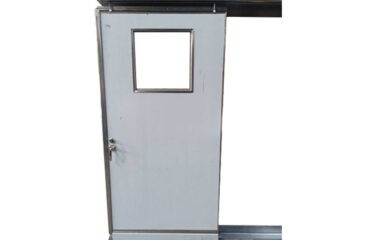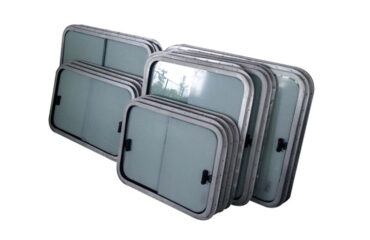


Vessels face constant water pressure, splashing waves, salt spray, and extreme weather during voyages. All deck openings, including hatches, inspection ports, and equipment access points, require effective sealing solutions to block external water intrusion. A professional marine cover serves as the primary protective barrier for these key openings.
Unlike ordinary protective covers used on land, a dedicated marine cover is engineered to adapt to harsh offshore environments. It focuses on tight sealing, pressure resistance, and corrosion resistance to maintain continuous watertight performance. For all commercial ships, yachts, and working vessels, stable watertight performance directly determines navigation safety and service life of onboard facilities.
Key Technical Parameters of Standard Watertight Marine Cover
To ensure credible safety performance, qualified marine covers follow international marine industry standards. The following table lists core technical parameters that define reliable watertight performance, referencing ISO 24169:2022 marine safety specifications and conventional vessel design requirements.
| Performance Index | Standard Parameter Value | Functional Significance |
|---|---|---|
| Maximum Resistant Water Pressure | 10m water column (0.1MPa) | Withstands wave impact pressure in open sea navigation |
| Surface Load Bearing Capacity | ≥17.16kPa (Position 1 deck opening) | Resists heavy wind and wave impact on exposed deck areas |
| Salt Spray Corrosion Resistance | ≥1000 hours neutral salt spray test | Avoids seal aging and failure caused by marine salt erosion |
| Operating Temperature Range | -30℃ to +70℃ | Adapts to extreme temperature changes in global marine environments |
| Watertight Sealing Grade | Full watertight (no water penetration under rated pressure) | Ensures zero water leakage for closed compartment openings |
These standardized parameters ensure that a qualified marine cover will not deform, crack, or lose sealing performance under routine navigation and extreme sea conditions. Substandard products often fail to meet these indicators, leading to hidden water leakage risks.
Common Safety Risks of Unreliable Marine Cover
Many vessel safety hazards stem from ignored small component failures. An inferior or aging marine cover may seem intact visually, but it cannot withstand long-term marine environmental erosion.
First, poor watertight performance causes continuous seawater penetration. Seawater contains high salt content, which easily corrodes onboard metal structures, electrical equipment, and mechanical parts. Long-term water accumulation in cabins will also breed moisture and mildew, damaging cargo storage environments and reducing vessel interior cleanliness.
Second, degraded structural strength leads to safety accidents in rough seas. When vessels encounter strong winds and huge waves, unqualified marine cover cannot resist instantaneous impact pressure, which may cause cover displacement, seal rupture, and large-area water inflow. In severe cases, it affects vessel stability and endangers navigation safety.
In addition, unstandardized marine cover lacks aging resistance. After long-term exposure to ultraviolet rays and temperature changes, the sealing material will harden and crack, gradually losing watertight function. Regular inspection and replacement are essential to avoid potential risks.
Practical Maintenance Tips to Sustain Marine Cover Watertight Performance
Even high-quality marine cover requires scientific daily maintenance to maintain long-term watertight reliability. Good maintenance habits can effectively extend service life and eliminate hidden safety hazards.
First, conduct regular visual inspections before and after each voyage. Check whether the cover surface is scratched, deformed, or aged, and confirm that the sealing strips are intact and free of sundries blockage. Clean residual seawater, sediment, and marine attachments in time to avoid long-term corrosion of sealing parts.
Second, perform regular pressure and sealing tests. Referencing marine inspection standards, conduct watertight performance tests every quarter to verify whether the cover can reach standard pressure resistance and zero leakage. Replace aging or damaged accessories in a timely manner once abnormal conditions are found.
Third, store and use the cover correctly. When not in use for a long time, place it in a dry and ventilated environment, avoid direct long-term ultraviolet exposure, and prevent extrusion deformation. During installation, ensure accurate fitting and firm fixation to avoid gaps caused by improper installation.
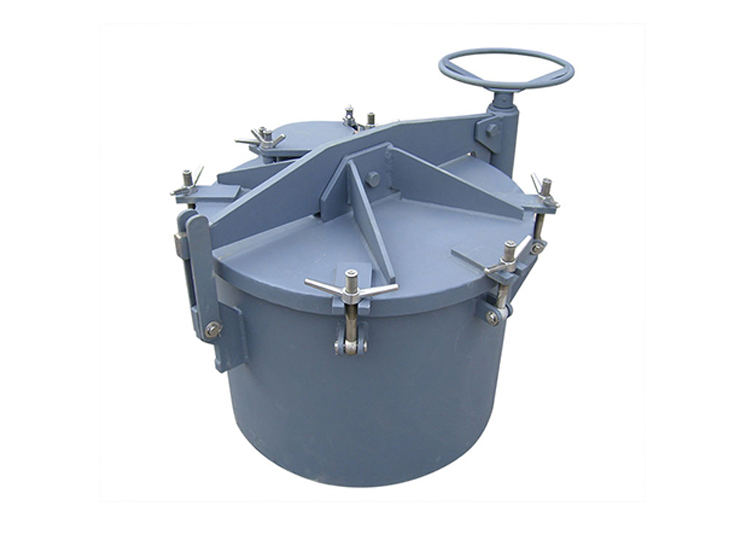
FAQs About Marine Cover and Vessel Watertight Safety
- What is the difference between a marine cover and an ordinary waterproof cover?
A professional marine cover is designed specifically for marine harsh environments, with strict standards for pressure resistance, salt corrosion resistance, and temperature adaptability. Ordinary waterproof covers only adapt to daily indoor and outdoor environments and cannot withstand wave impact and long-term salt spray erosion, so they cannot replace dedicated marine products for vessel safety protection. - How often should a marine cover be inspected and replaced?
Daily visual inspection is required before each voyage. Comprehensive performance detection is recommended every 3 months. For vessels operating in high-salinity and rough sea areas, the service life of marine cover is shortened. It is best to replace it every 2 to 3 years to ensure stable watertight performance. - Can minor water seepage of marine cover be ignored?
No. Minor seepage is an early warning of performance failure. Seawater will continuously erode sealing structures and vessel components, aggravating leakage problems over time. Minor seepage in calm seas will turn into severe water inflow in rough weather, bringing major safety risks to vessels. - What core standards should a qualified marine cover comply with?
Reliable marine cover needs to comply with ISO 24169:2022 fireproof and watertight cover specifications and international vessel watertight subdivision standards. It must pass professional water pressure resistance and salt spray tests to meet offshore navigation safety requirements. - How does marine cover affect vessel inspection qualification?
Vessel watertight integrity is a key inspection item in marine safety assessments. Damaged or substandard marine cover will lead to unqualified watertight tests, affecting vessel navigation qualification and normal operation. Maintaining intact and standard-compliant marine cover is a basic requirement for passing official vessel inspections.