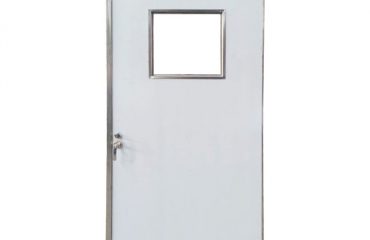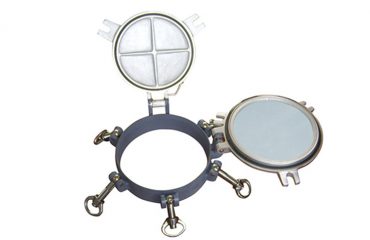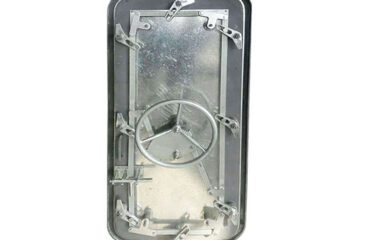


Structural integrity is the ability of the door to keep its shape and its function under real operating loads. It is not just about being strong when the door is new. It is about staying strong after years of slamming shut, after temperature swings, after the hull flexes, and after seawater has done its best to find a weak point.
When a door loses structural integrity, the first sign is usually subtle. A door that used to close firmly starts to stick. A corner begins to sag. The seal no longer seats evenly. By the time these signs show, the door is already on the way down.
Why It Matters More in a Marine Setting
A land-based door carries its own weight and a bit of traffic. A marine door carries more than that. It has to resist the pressure of water on one side, take the force of waves, and survive constant moisture and salt. Any weak point in the frame or the weld becomes a place where corrosion starts and spreads.
In heavy-duty use, this matters even more. These doors take repeated hard use, heavy loads through the opening, and conditions that would wear out a standard door in a fraction of the time. Getting the structure right from the start is what keeps that from happening.
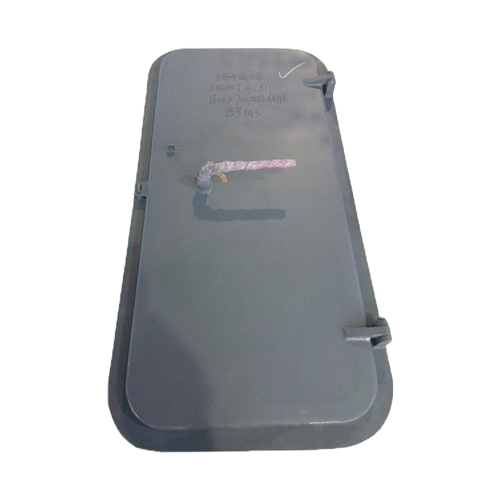
Key Specifications to Compare Before You Buy
If you are sourcing doors, these are the figures worth putting side by side. They tell you more about real durability than any description.
| Specification | Typical Range | Why It Matters |
|---|---|---|
| Door Material | Marine-grade aluminum / Stainless steel | Salt-resistant base material prevents early corrosion |
| Frame Type | Welded / Extruded profile | Welded frames handle high loads and hard impacts |
| Panel Thickness | 3 – 10 mm | Thicker plating resists denting and fatigue |
| Weld Quality | Full penetration / Classified | Weak welds become hidden starting points for corrosion |
| Seal Type | EPDM / Neoprene gasket | Keeps water out while the frame flexes |
| Watertight Rating | IP66 / A60 fire rating | Confirms protection under pressure and fire loads |
| Hardware Load Rating | 150 kg and up | Handles the repeated force of daily use |
| Test Standards | Class / third-party verified | Confirms the door passed real operating tests |
The weld and the seal are the two spots people overlook, and they are exactly where most failures begin.
Frame Design and Plating: The Backbone of the Door
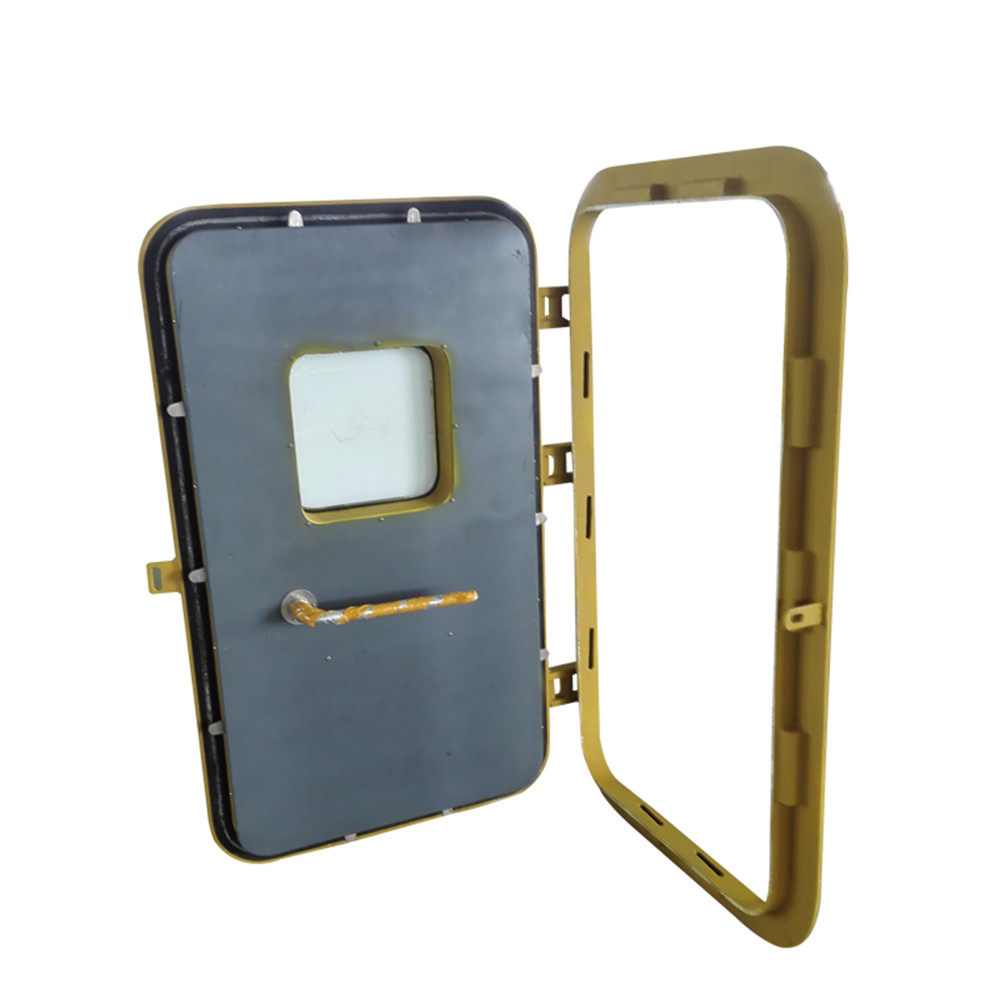
The frame is what carries every load the door faces. A welded frame distributes force across the whole structure, which is why it suits heavy-duty openings better than a simple profile. Plating thickness matters just as much, because thinner panels dent more easily and fatigue faster under repeated load.
What you cannot see in a photo is the quality of the welding. A full-penetration weld is a very different thing from a surface weld, and the difference shows up years down the line. It is worth asking about weld classification and test records, not just looking at the finish.
Seals and Testing: The Parts That Keep It Working
No door is stronger than its seal. The gasket has to keep water and pressure out while the frame flexes, and it has to survive UV, salt, and temperature swings. A door with a weak seal can be structurally sound and still fail at the job it exists to do.
This is also where testing separates real products from claims. A door that has passed third-party or classification tests carries proof, not just promises. Ask for the test standards and the certificates before you commit.
Sourcing Tips for Buyers and Wholesalers
If you are buying in volume, consistency matters as much as the first unit. Confirm that the same materials, weld standards, and seals apply to every batch, not just the sample. Ask for test records and documentation for the batch you are receiving, and verify that the door meets the standards your project actually requires.
Small differences between batches become big problems in a fleet or a large build. A little verification at the ordering stage saves a great deal of rework later.
Frequently Asked Questions
1. What does structural integrity mean for a marine door?
It means the door keeps its shape and function under real operating loads, not just when new, but after years of use, pressure, salt, and hull flexing.
2. Which material is better for heavy-duty marine doors?
Marine-grade aluminum is lighter and corrosion-resistant; stainless steel is heavier and stronger. The right choice depends on the opening, the load, and the conditions.
3. Why is weld quality so important?
A weak weld becomes a hidden starting point for corrosion and fatigue. Full-penetration, classified welds handle loads much better than surface welds.
4. How can I tell if a marine door will last?
Check the plating thickness, the frame type, the seal, and the test records. A door that has passed third-party or classification tests is far more reliable than one with only claims.
5. What should I verify when ordering in bulk?
Confirm that the same materials, weld standards, and seals apply to every batch, and ask for test records and certificates for the batch you receive.