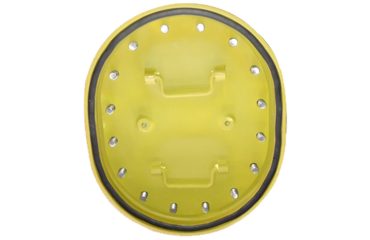


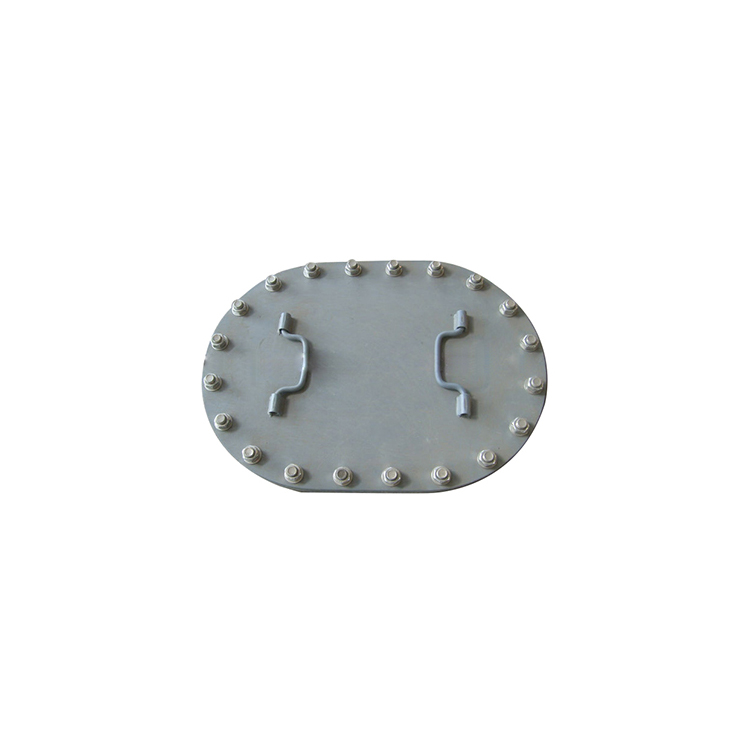
If you are sourcing access covers for ship tanks, ballast spaces or bulkhead openings, you have probably asked this question yourself. It is not a simple yes or no answer. A marine aluminium manhole cover can be built for watertight service, oiltight service, or sometimes both, but only when the design, gasket and bolting pattern match the sealing requirement. Many procurement mistakes happen when people assume every aluminium cover automatically seals against both water and oil. The sealing performance depends on how it is engineered, tested and fitted.
What Is The Difference Between Watertight And Oiltight For Marine Openings
To understand the cover performance, we first separate the two sealing definitions used in marine survey and classification rules. Watertight means the assembly will resist water penetration under a defined hydrostatic head, which suits ballast tanks, fresh water tanks and spaces exposed to seawater splash. Oiltight describes sealing against liquid hydrocarbons, fuel oil and lube oil; this requires a gasket material that will not swell, soften or break down when touching oil.
A standard watertight rubber gasket will degrade quickly in fuel tanks, even if it holds water perfectly. In the same way, some oiltight compounds are stiff and less suitable for constant water pressure cycling. Classification society surveys and ISO 5894:2018 lay out clear testing and marking rules for these assemblies, so the intended service must be confirmed before ordering.
Key Parameter Table For Marine Aluminium Manhole Cover Sealing
| Parameter | Watertight Version | Oiltight Version |
|---|---|---|
| Main gasket material | EPDM rubber | Nitrile rubber (NBR) |
| Typical test pressure | 0.05 MPa hydrostatic | 0.10 MPa hydrostatic |
| Suitable tank type | Ballast tank, fresh water tank | Fuel oil tank, lube oil tank |
| Common shape | Oval, round | Oval, round |
| Material grade | Marine aluminium alloy | Marine aluminium alloy |
| Standard reference | ISO 5894, CB/T19 | ISO 5894, CB/T19 |
| Fastener type | Stainless steel bolts | Stainless steel bolts |
This table shows the practical distinction. The aluminium base material stays the same, but the gasket and test pressure change for oil service. The aluminium alloy is chosen for low weight and saltwater corrosion resistance, a major advantage over steel on deck and bulkhead locations.
How Sealing Performance Is Verified Onboard
A finished cover does not earn its watertight or oiltight rating just by visual inspection. Every assembly goes through a hydrostatic leak test. For watertight units, the test holds pressure for a set period while inspectors check for seepage at the gasket line and bolt holes. Oiltight units face a higher test pressure because oil can creep through tiny gaps more easily than water, and the safety risk from fuel leakage is far higher.
Installation quality also changes real-world performance. Even a properly rated cover can leak if the coaming is warped, bolts are tightened unevenly, or the gasket is pinched during closing. Ship crews and surveyors will check bolt torque sequences and gasket condition during dry dock or routine tank inspections.
Frequently Asked Questions About Marine Aluminium Manhole Covers
Can one aluminium manhole cover work for both watertight and oiltight use?
Not in most cases. A single gasket cannot reliably meet both requirements. If you switch a watertight EPDM gasket to an oil tank, the rubber will swell and lose its sealing force. If you fit an NBR gasket on a ballast tank, it may become brittle over time under constant water exposure. Some custom designs are labelled dual-rated, but they use special compound gaskets and extra testing, and they are not the standard option.
Is aluminium a good choice compared to steel for oiltight tank openings?
Aluminium is lighter and offers good corrosion resistance, which reduces deck load and cuts down on surface painting work. It does not have the same yield strength as steel, so the frame and cover plate thickness must be sized correctly for the test pressure. For most standard tank access points, aluminium is a practical choice, but it is not recommended for high-pressure cargo tanks beyond the standard marine hydrostatic range.
What markings should I look for on a certified watertight or oiltight cover?
Certified units carry clear stamped marking on the cover plate. The marking includes service type (watertight or oiltight), standard reference, nominal size, and material grade. Without this marking, surveyors may reject the fitting during inspection, even if the cover looks identical to a certified unit. Always match the marking to your tank service before fitting.
How often should the gasket be replaced to keep sealing intact?
Most marine operators replace gaskets every 2 to 3 years, or sooner if the cover is opened frequently. Gaskets age from compression, temperature swings and contact with tank media. Small cracks, permanent indentation or surface swelling are clear signs that sealing can no longer be guaranteed. Keeping spare gaskets on board avoids emergency delays during tank maintenance.
Final Notes For Ship Owners And Marine Procurement Teams
When you plan tank access openings, do not group all marine aluminium manhole cover options together. Start with the tank medium first: water or oil. Then confirm the required test pressure, gasket specification and classification requirements. Getting the sealing type right at the ordering stage avoids costly rework, survey hold-ups and dangerous leakage risks later.