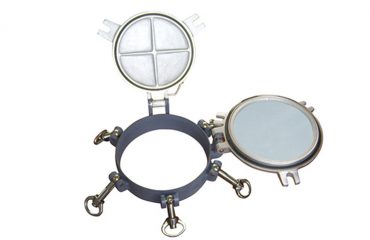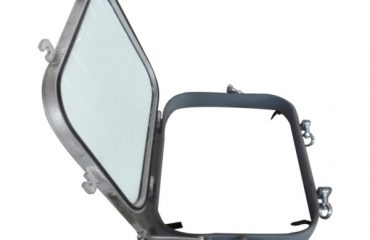


If you have operated vessels in cold, humid sea areas, you know how quickly fog and frost can cover bridge glass. Poor visibility creates real navigation risks, especially during night watch, port maneuvering or sailing through polar and temperate coastal waters. A lot of captains and procurement teams ask whether standard ship windows support built-in heating to stop condensation. The short answer is yes, but this function needs careful design that fits marine safety rules and harsh offshore environments.
How Heated Anti-Fog Glass Works For Marine Use
Unlike simple aftermarket defog fans, certified heated anti-fog glass embeds a transparent conductive layer between laminated glass panels. When powered, the thin conductive layer raises the surface temperature above the dew point. This stops water vapour from turning into fog, and it can also melt light frost and thin ice on cold mornings. The heating circuit is sealed fully inside the glass stack, so salt spray, rain and constant vibration at sea will not damage the heating elements.
Not all heated glass for boats meets formal marine standards. Ship windows intended for bridge lookout positions must pass pressure, watertightness and electrical safety tests. The heating power output, voltage rating and insulation all need documentation before installation on seagoing vessels. This is the key difference between ordinary heated architectural glass and marine-grade heated anti-fog glazing.
Key Technical Parameters of Heated Anti-Fog Ship Windows
The table below lists typical working parameters for bridge-style heated anti-fog glass. These values follow common marine industry benchmarks and are widely referenced during vessel refit and new build planning.
| Item | Typical Specification |
|---|---|
| Heating Power Density | 12–15 W/dm² |
| Working Voltage | 24V DC / 110V AC / 220V AC |
| Glass Construction | Toughened laminated glass with embedded conductive layer |
| Total Glass Thickness | 18 mm to 24 mm |
| Low-Temp Working Range | -20 °C to +55 °C ambient |
| Response Time to Clear Fog | 3–8 minutes |
| Recognised Standard | ISO 3434 |
| Protection Feature | Built-in thermal cut-off to prevent overheating |
The power density is balanced carefully. Too low, and fog will not clear fast enough; too high, energy consumption rises and thermal stress may risk glass distortion. Most bridge setups use a 24V DC option for smaller workboats and yachts, while larger commercial vessels often select 110V or 220V AC circuits linked to the vessel’s main power panel.

Important Limitations To Understand
Heated anti-fog ship windows handle condensation and light frost reliably, but they are not designed for thick ice sheets or heavy snow loads. If the vessel operates in areas with persistent heavy ice accretion, storm covers and manual clearing procedures are still required as backup. Also, the heating layer only works when the power supply stays stable. Ship designers usually add independent circuit protection and local control switches at the bridge so officers can turn heating on or off without affecting other onboard electrical systems.
Frequently Asked Questions
Q1: Are heated anti-fog ship windows approved for commercial seagoing ships?
A1: Yes, when manufactured and tested to ISO 3434. The certification confirms electrical safety, optical clarity and structural performance under marine conditions. Uncertified heated glass should not be fitted to main navigation bridge positions.
Q2: Can heating function be added later to existing ship windows?
A2: It is not recommended as a retrofitted film upgrade for certified navigation windows. External bonded heating films tend to fail quickly under salt corrosion and vibration. A full factory-fabricated heated glass pane is the reliable route.
Q3: Will the heating layer affect optical vision for navigation?
A3: Properly made conductive layers stay nearly invisible and avoid visual distortion. Approved marine heated glass has strict optical inspection to prevent lines, haze or colour shift that interferes with lookout, radar reflection or chart reading.
Q4: Do heated anti-fog options cost much more than standard ship windows?
A4: They carry a higher material and testing cost, because of laminated construction, conductive layers and safety certification. Many operators consider it a worthwhile investment where visibility downtime creates operational delays or safety concerns.
Choosing The Right Setup For Your Vessel
When planning an upgrade or new build, start with your sailing zone. Workboats that stay in warm tropical waters rarely need this feature. Ships that regularly run in high-humidity, cold northern waters gain the most value from heated anti-fog glass. You should also confirm available onboard voltage before ordering, because mismatched voltage can burn out heating circuits.
Frame selection matters alongside glass. Aluminium marine frames are common, paired with rubber gaskets that maintain watertight sealing. The window assembly still needs to withstand wave impact and hull deflection, just like standard ship windows. Heating is an added functional layer, not a replacement for structural marine design.