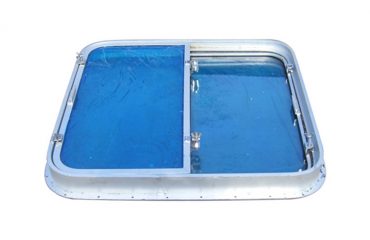


Anyone who works in the marine industry knows how unforgiving the open ocean can be. Ships face nonstop salt corrosion, powerful gusts of wind, violent wave impacts, and extreme temperature changes every single day. These tough conditions wear down vessel parts quickly, especially exterior fixtures exposed directly to the sea. Many boat owners and ship operators overlook window quality until cracks, leaks or rust appear. Today, we break down exactly how a high-quality ship window holds up in brutal marine environments and why durability matters for every vessel.
Common Harsh Ocean Conditions That Impact Vessel Windows
Marine environments create unique challenges that regular building windows cannot resist. Unlike residential or commercial windows used on land, maritime window fixtures must endure continuous, aggressive environmental damage year-round.
First, saltwater corrosion is the biggest threat. Ocean salt particles stick to window frames and glass surfaces, triggering chemical oxidation that erodes metal frames and damages glass coatings over time. Second, high-speed sea winds and sudden storm surges bring strong pressure impacts, which can bend low-grade frames or shatter weak glass. Third, constant wave splashes and water pressure fluctuations lead to persistent water infiltration risks. Finally, intense ultraviolet sunlight at sea ages surface materials rapidly, causing fading, peeling and brittleness.
Only professionally manufactured marine-grade products can fight these threats effectively, and a robust ship window is engineered specifically to adapt to these extreme working conditions.
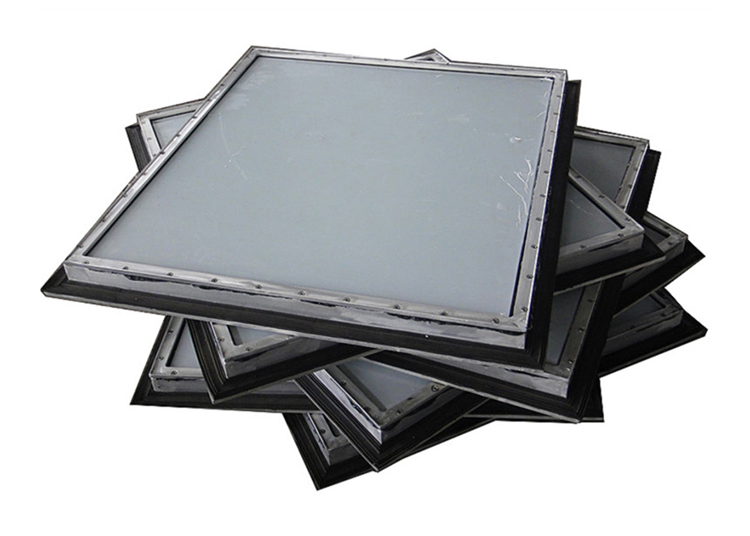
Core Technical Specifications of Durable Marine-Grade Windows
Truly durable maritime windows rely on standardized industrial parameters rather than simple thickened glass. The following specifications are widely adopted by mainstream ship manufacturers and comply with international marine safety standards, ensuring stable performance in harsh ocean environments.
| Technical Parameter | Marine-Grade Standard Value | Environmental Adaptation Advantage |
|---|---|---|
| Glass Thickness | 8mm–12mm toughened laminated glass | Resists wave impact and accidental collision damage |
| Frame Material | 316 stainless steel / marine aluminum alloy | Anti-rust and anti-corrosion for long-term salt spray exposure |
| Waterproof Rating | IP67 full sealing performance | Prevents seawater leakage in storm and wave splash scenarios |
| UV Resistance Grade | UV50+ anti-aging coating | Avoids yellowing and material brittleness under strong sunlight |
| Wind Pressure Resistance | 1200Pa–1800Pa bearing capacity | Stable structure under strong sea wind and storm conditions |
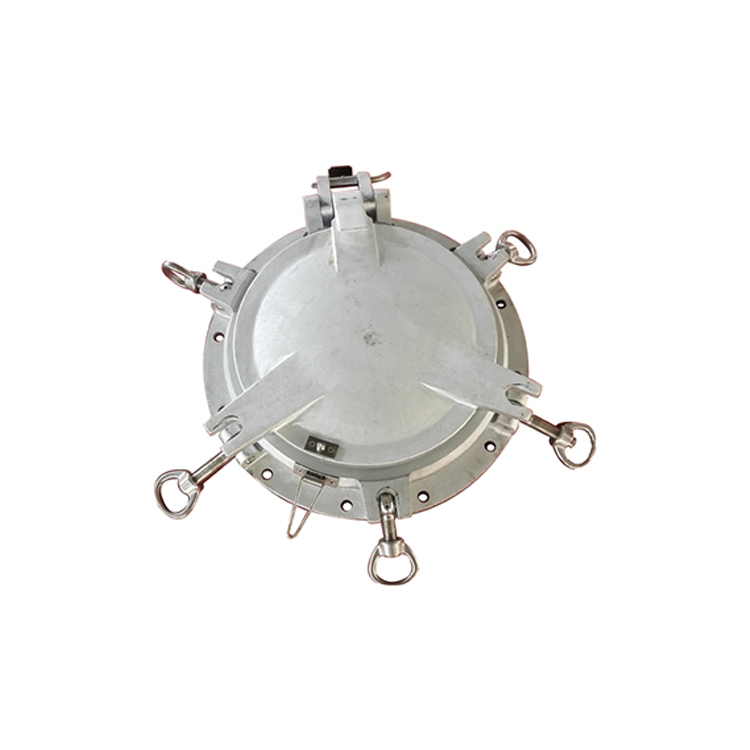
These professional configurations enable each qualified ship window to maintain structural stability and sealing integrity during long-distance maritime navigation, avoiding common failures such as water leakage, frame deformation and glass breakage.
Practical Performance of Durable Ship Windows at Sea
Excellent Corrosion Resistance for Long-Term Sea Exposure
The biggest advantage of high-quality marine windows is their outstanding anti-corrosion performance. Ordinary steel or aluminum frames will develop rust spots and structural cracks after several months of sea exposure. In contrast, 316 stainless steel frames with professional surface treatment can resist salt spray erosion for more than 10 years. The sealed structural design also prevents salt particles from entering internal gaps, effectively protecting internal components and keeping the window flexible to open and close for years.
Stable Structural Performance Under Extreme Weather
Ocean storms and sudden gusts bring huge instantaneous pressure to vessel exteriors. Durable marine windows adopt integrated welding frame technology and laminated toughened glass. Even when facing continuous wave impacts and strong wind pressure, the overall structure will not deform or loosen. In extreme weather tests, these windows can maintain complete sealing and transparency, providing reliable visual observation conditions for ship crews.
Long Service Life and Low Maintenance Costs
For shipping companies and vessel owners, equipment maintenance costs are a key part of operational expenses. Inferior maritime windows require frequent replacement due to rust, water leakage and glass aging. A standard durable ship window features anti-aging coatings and high-strength materials, greatly reducing later maintenance frequency. Daily cleaning and simple inspection are enough to maintain its working performance, effectively saving long-term operation costs for vessels.
Frequently Asked Questions About Marine Ship Windows
What makes marine ship windows different from ordinary industrial windows?
Ordinary industrial windows only adapt to land-based environments and lack anti-corrosion, wind pressure resistance and seawater sealing performance. Marine ship windows are specially optimized for salt spray, strong wind and wave impacts, with professional marine certification and stricter production standards to adapt to extreme ocean conditions.
How often should ship windows be inspected and maintained?
Professional marine maintenance standards suggest a detailed inspection every six months, focusing on frame corrosion, sealing strip tightness and glass surface integrity. Timely cleaning of salt deposits can effectively extend the service life of ship windows and avoid sudden leakage failures during navigation.
Can damaged ship windows be repaired instead of replaced?
Minor surface scratches and loose sealing strips can be repaired on site. However, if the frame is deformed, the glass is cracked, or corrosion penetrates the metal structure, direct replacement is recommended to ensure navigation safety, as repaired structures cannot fully restore original wind and water resistance performance.
Do all ocean-going ships need high-durability ship windows?
Yes. Ocean-going vessels face far more complex and harsh environments than inland ships. High-durability marine windows are not only a basic navigation guarantee but also a mandatory safety requirement for international maritime inspections, helping vessels pass standard marine safety audits smoothly.