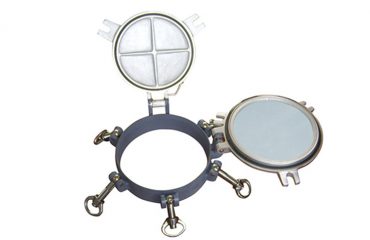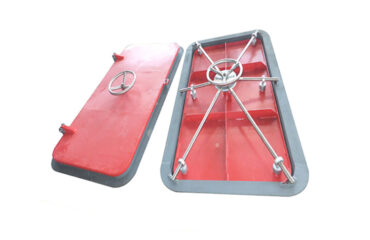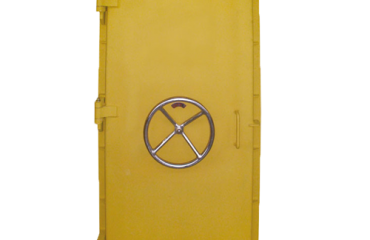


If you’ve spent time on commercial ships, offshore vessels, or passenger ferries, you know flooding is one of the biggest dangers at sea. A single hull breach or broken pipe can quickly turn into a disaster if water spreads unchecked. That’s why a certified watertight ship door is not just equipment—it’s a lifesaving barrier built to stop floods before they threaten the whole vessel. In this easy‑to‑follow article, we explain how these tested, approved doors work, what standards they follow, and why they make every voyage safer for crew, cargo, and the ship itself.
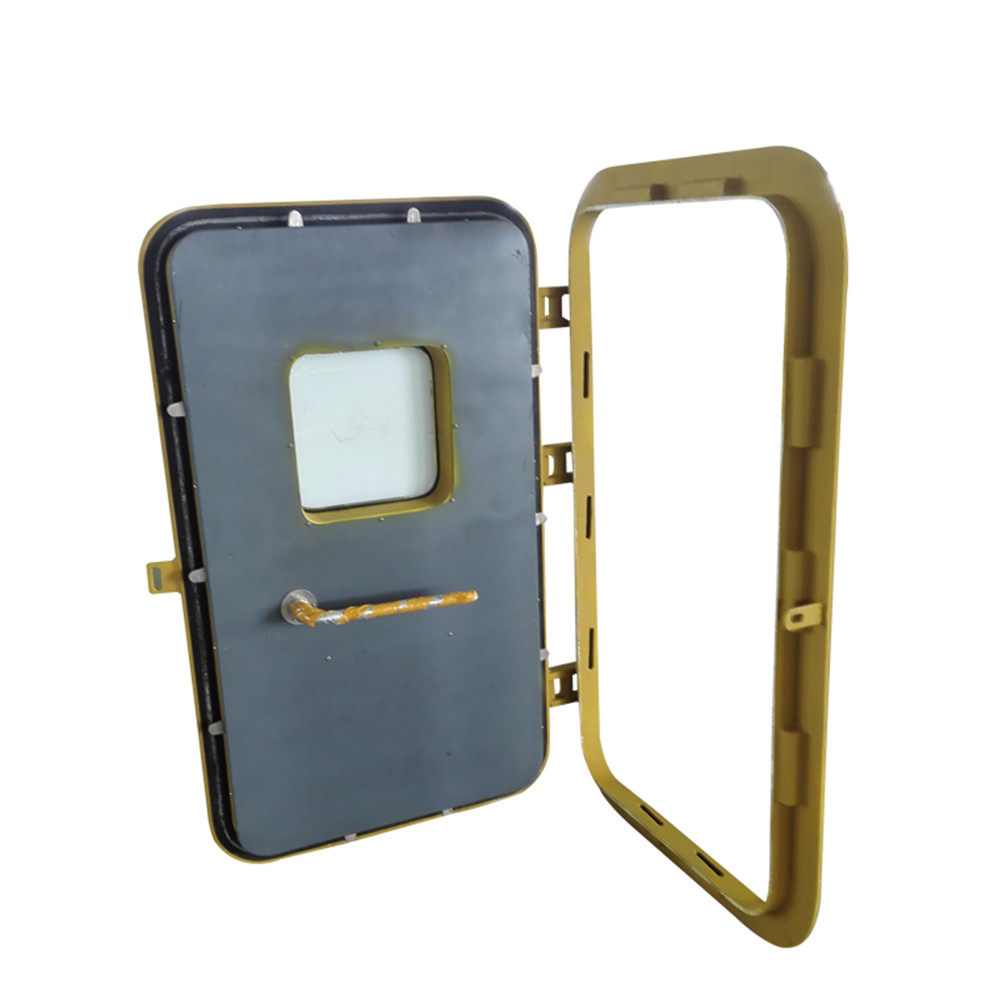
What Makes a Certified Watertight Ship Door Different
A certified watertight ship door is engineered and tested to block water from moving between compartments, even under real flood pressure. Unlike standard doors, it’s built to hold back water from both sides and keep working when the ship lists or rolls in rough seas. Every unit goes through strict hydrostatic testing, third‑party inspection, and classification society approval before installation. These doors follow rules set by SOLAS (Safety of Life at Sea) and the IMO, so you can trust they perform when it matters most.
Certification means the door meets clear performance benchmarks: pressure resistance, closing speed, alarm functions, and structural strength. Non‑certified doors might look similar but often fail under real stress, leaving compartments open to flooding. That small difference can mean the ship stays afloat or faces serious danger.
How Certified Watertight Ship Doors Stop Flooding
Flood risk rises when water enters one space and flows freely through the ship. Certified watertight ship doors break that chain by creating rigid, sealed divisions. Here’s how they keep you safe.
Compartmentalization Stops Water Spread
Ships are split into watertight zones. If one compartment floods, the certified door holds water back so other areas stay dry. This preserves buoyancy and stability, letting the crew manage the emergency without losing control of the vessel.
Pressure Resistance Under Real Conditions
These doors are built to handle water pressure based on their depth and location. Many models resist up to 0.6 MPa, matching the force of rising seawater after a hull breach. Seals and locking systems stay tight even as water pushes against the door.
Rapid, Reliable Closing Systems
In an emergency, speed saves lives. Certified power‑driven doors close in 20–40 seconds locally and under 60 seconds for full‑ship bridge control. A pre‑closure alarm sounds 5–10 seconds early to warn the crew. Manual operation works even if power fails, closing within 90 seconds to maintain safety.
Bridge Visibility and Control
All certified units include open/closed indicators at the wheelhouse. Crew can see status at a glance and trigger remote closing if a door is left unsecured. This fail‑safe design stops human error from turning a small risk into a major flood.
Key Performance Specifications for Certified Watertight Ship Door
To help you compare and choose safely, here’s a clear table of industry standard specs.
| Specification | Standard Certified Value | Purpose |
|---|---|---|
| Watertight Pressure Rating | 0.1–0.6 MPa | Withstands flood pressure at operating depth |
| Closing Time (Powered) | 20–40 sec single; ≤60 sec group | Fast emergency sealing |
| Closing Time (Manual) | ≤90 sec | Reliable backup during power loss |
| List Tolerance | Operates safely at ±15° list | Maintains function in heavy seas |
| Pre‑Closure Alarm | 5–10 sec audible alert | Warns crew before automatic closing |
| Material | Marine‑grade steel or aluminum | Corrosion resistance and structural strength |
| Certifications | SOLAS, IMO, ABS, CCS, DNV, LR | Meets global marine safety rules |
| Testing | Hydrostatic + hose test | Verified leak‑proof performance |
Why Certification Is Non‑Negotiable for Marine Safety
Certification isn’t just paperwork—it’s proof the door has passed destructive testing, real‑world pressure trials, and long‑term durability checks. Classification societies like ABS, DNV, LR, and CCS verify every design, material, and weld. Ships without certified components often fail port state inspections and face detention. More importantly, uncertified doors can fail during flooding, breaking the ship’s subdivision stability and leading to capsizing or sinking.
A certified watertight ship door protects more than the structure; it protects the people on board. It reduces insurance risks, lowers maintenance costs, and supports long vessel service life.
Frequently Asked Questions
What regulations govern certified watertight ship door installations?
They are governed by SOLAS Chapter II‑1, IMO guidelines, and rules from leading classification societies. These rules cover design, testing, placement, closing speed, alarms, and bridge indication.
How often do watertight doors need inspection and testing?
Industry rules require weekly function tests and annual full overhauls. Regular testing ensures seals, latches, alarms, and power systems work reliably in an emergency.
Can a certified watertight ship door be used outdoors on deck?
Most are designed for internal bulkheads. Weathertight doors are used for exposed deck openings, while watertight models manage below‑deck flood barriers. Always follow the manufacturer’s rated use case.
How long does a certified watertight ship door last?
With proper maintenance and corrosion protection, a quality unit typically lasts 15–25 years in marine service. Routine cleaning, lubrication, and seal checks extend its life.
Do all commercial vessels need certified watertight doors?
Yes, most cargo ships, passenger vessels, tankers, and offshore units must install certified watertight closures to meet international safety and port state requirements.