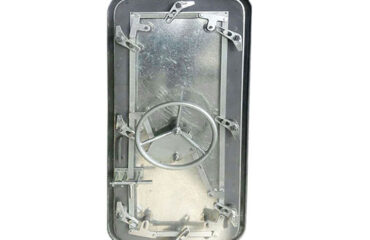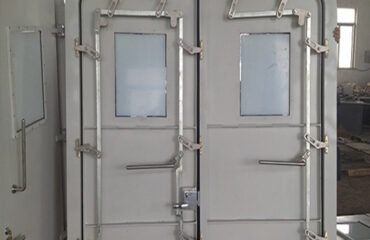


If you work in vessel maintenance or marine operations, you’ve probably noticed a common issue: many marine doors wear out far faster than they should. Even brand-new units can develop leaks, stuck latches, or rust spots within just a few years of installation. Most people blame low-quality materials, but the truth is that premature damage usually comes from a mix of environmental stress, improper setup, and neglected routine care. Understanding these hidden triggers can help you protect every functional ship door on your vessel and avoid unnecessary replacement costs.
Harsh Marine Environmental Stressors
The ocean environment is unforgiving for all marine equipment, and marine doors bear constant exposure to extreme working conditions. Unlike industrial doors used on land, a ship door faces continuous salt spray, high humidity, drastic temperature fluctuations, and powerful hull vibrations during navigation. These cumulative environmental factors are the biggest contributors to early structural and functional damage.
Salt crystallization is the most problematic factor. Tiny salt particles stick to door frames, hinges, and sealing gaps, absorbing moisture and triggering electrochemical corrosion. Over time, untreated rust eats away at metal surfaces, creating pitting and structural weakness. Repeated temperature changes also cause thermal expansion and contraction, slowly loosening fasteners and warping door panels, which breaks the original tight-fitting structure of the door system.
Improper Installation and Structural Misalignment
Many premature failures start during the initial installation phase. Many shipyards and maintenance teams rush the installation process to save time, skipping critical leveling and gap calibration steps. Even minor misalignment of less than 3mm can create long-term operational damage.
When a ship door frame is unevenly fixed, every opening and closing movement creates abnormal friction and pressure on hinges, gaskets, and latch mechanisms. This constant uneven stress wears down sealing rubber faster, bends metal components, and leads to incomplete closure. Vessel hull deformation under wave pressure worsens this issue, turning small installation errors into serious functional failures within one to two years.
Neglected Routine Maintenance and Operation Errors
Daily operation habits and maintenance frequency directly determine the service life of marine doors. Many crew members operate doors roughly, slamming doors shut or forcing latches to lock when obstacles block the seal. These rough operations deform gaskets and misalign locking structures gradually.
Lack of regular cleaning and lubrication accelerates damage further. Salt residue, dirt, and marine grime accumulate in hinge gaps and sealing grooves, causing abrasion and preventing full closure. Without regular lubrication, metal moving parts rust and stiffen, increasing operating resistance and leading to component fatigue. Most prematurely damaged door systems fail not because of quality defects, but due to years of unaddressed minor issues.
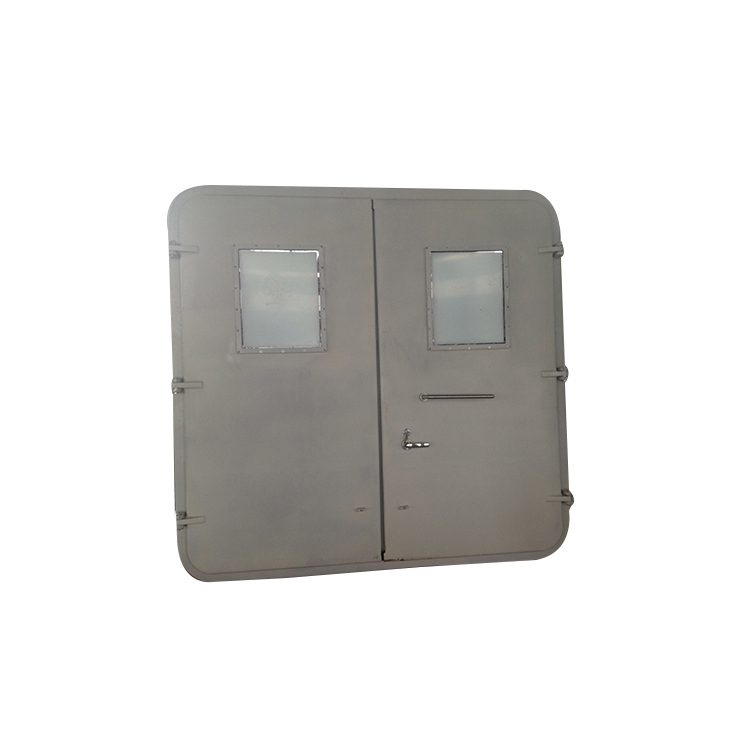
Standard Ship Door Structural and Maintenance Parameters
To better identify abnormal damage and implement targeted maintenance, it is essential to follow official marine industry standards. The table below lists mainstream technical parameters and maintenance cycles for qualified marine doors, referenced from CCS and ABS marine guidelines, helping maintenance teams conduct standardized inspections.
| Parameter Item | Standard Specification | Recommended Maintenance Cycle | Damage Risk If Non-Compliant |
|---|---|---|---|
| Door Frame Material | Marine Steel / 5083 Marine Aluminum Alloy | Coating inspection every 6–12 months | Fast corrosion, structural pitting, frame deformation |
| Sealing Gasket | Marine-grade EPDM Rubber | Replacement every 2–3 years | Water ingress, lost weathertight performance |
| Hinge & Latching System | 316 Stainless Steel Hardware | Lubrication every 6 months | Stiff operation, jamming, incomplete locking |
| Max Allowable Installation Gap | ≤3mm Uniform Gap | Alignment check quarterly | Uneven wear, seal failure, door warping |
| Pressure Resistance Grade | 0.1–0.3MPa Watertight Rating | Pressure test annually | Leakage in rough sea conditions |
FAQs About Premature Ship Door Damage
- Is corrosion the main cause of early marine door failure?
Corrosion is the most common cause, but it is usually a secondary issue. Poor installation alignment, lack of lubrication, and rough daily operation create tiny gaps and friction points where saltwater accumulates. These neglected spots gradually develop severe corrosion, leading to premature functional damage. - Can improper cleaning accelerate ship door damage?
Yes. Using harsh chemical cleaners or hard brushes scratches protective anti-corrosion coatings, exposing bare metal to salt air. Meanwhile, failing to clean salt deposits from sealing grooves and hinges causes continuous abrasion and chemical erosion, shortening the door’s service life significantly. - How do I tell if door damage is caused by installation errors?
If a door develops uneven seal wear, one-sided rust, or requires forced closing within one year of installation, misalignment is almost always the cause. Factory-qualified doors should operate smoothly with uniform seal compression; any inconsistent resistance indicates improper mounting. - Can regular maintenance fully prevent premature damage?
Standardized maintenance can eliminate over 90% of premature failures. Regular cleaning, timely lubrication, quarterly alignment checks, and scheduled gasket replacement keep the ship door in stable condition and help it reach its designed service life of 15–20 years.
Practical Tips to Avoid Early Marine Door Damage
Preventing premature damage does not require complex upgrades, only standardized daily management. First, always rinse door surfaces and gaps with fresh water after offshore voyages to remove salt deposits. Second, adhere to fixed lubrication cycles for hinges and latch systems to avoid metal stiffness and abrasion.
Additionally, avoid over-squeezing or slamming doors during operation. Train crew members to check for blocking debris before closing, which protects gaskets and maintains consistent sealing performance. For aging doors with minor warping or misalignment, conduct timely calibration instead of waiting for complete failure, which saves high replacement and repair costs.