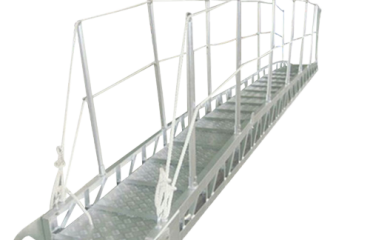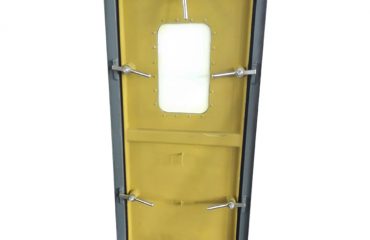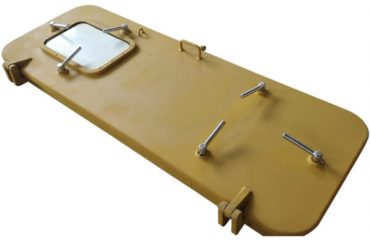


A qualified marine cover plays a vital role in protecting deck pipelines, equipment and cabin openings during ship navigation and mooring. However, the harsh marine environment featuring high humidity, high salinity and alternating dry and wet conditions easily causes surface oxidation, coating peeling and pitting corrosion. Without targeted anti-corrosion measures, equipment replacement frequency and ship maintenance costs will rise significantly every year.
Professional Marine Anti-Corrosion Standard Parameters for Deck Accessories
Marine corrosion prevention is never based on random painting or simple cleaning. The marine industry has formed unified anti-corrosion parameter standards for deck metal accessories through long-term practical verification. These standardized indicators can effectively resist salt spray erosion and ensure stable performance of deck equipment for years.
| Anti-Corrosion Item | Industry Standard Parameter | Practical Function |
|---|---|---|
| Salt Spray Resistance Duration | ≥1000 hours neutral salt spray test | Adapt to long-term offshore salt spray erosion |
| Coating Dry Film Thickness | 120μm – 180μm double-layer coating | Prevent coating cracking and peeling under temperature change |
| Surface Roughness Before Coating | 40μm – 75μm anchor pattern | Improve coating adhesion and avoid hollow peeling |
| Working Humidity Resistance | 0% – 95% non-condensing humidity | Adapt to all marine seasonal humidity changes |
| Service Anti-Corrosion Lifespan | 5 – 8 years regular protection cycle | Reduce frequent secondary maintenance and repair costs |
These professional parameters are the core basis for marine anti-corrosion construction. Many small shipyards and maintenance teams only focus on surface painting while ignoring roughness treatment and coating thickness control. Substandard construction will lead to rapid coating failure in marine environments, causing recurring corrosion problems.
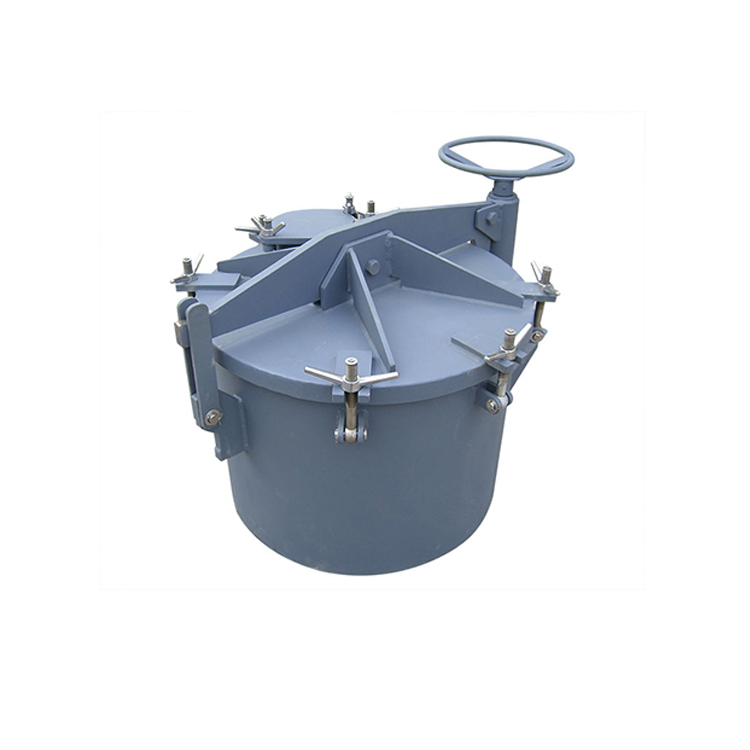
Main Causes of Marine Cover Corrosion on Ship Decks
- Salt Spray Electrochemical Corrosion
The ocean air contains a large amount of chloride ions, which form a conductive electrolyte film when attached to metal surfaces. This triggers continuous electrochemical reactions inside the metal structure. Unlike ordinary atmospheric corrosion, marine salt spray corrosion penetrates rapidly, easily forming pinpoint pitting and deep groove corrosion on component surfaces.
Deck equipment is directly exposed to open air, so this corrosion phenomenon is more obvious. Long-term accumulation will destroy the structural integrity of the facilities and affect the fitting tightness of the marine cover. - Alternating Dry and Wet Environmental Erosion
Ship decks often experience seawater splashing, rain washing and sun exposure, forming frequent dry-wet alternating cycles. The salt concentration on the metal surface continues to rise during water evaporation, which greatly accelerates the oxidation rate. Most surface rust spots and coating aging problems are caused by this unstable environmental state. - Unqualified Surface Treatment Before Anti-Corrosion Construction
Oil stains, old rust layers and residual attachments on the deck accessory surface will completely isolate the protective coating from the base metal. Even if high-grade anti-corrosion paint is used, the coating will bubble and peel off in a short time. Incomplete surface polishing and derusting is the main artificial cause of early corrosion failure. - Lack of Regular Daily Maintenance
Many ship operators only repair equipment after obvious corrosion occurs and ignore daily routine maintenance. Long-term accumulation of salt stains, dust and seawater residues will continuously erode the protective layer. Tiny damaged areas will expand rapidly under marine working conditions, eventually forming large-scale corrosion damage.
Practical Anti-Corrosion Prevention Solutions
Effective corrosion prevention requires a combination of standardized pre-treatment, professional coating construction and daily regular inspection. First, thoroughly polish and derust the surface of deck accessories before anti-corrosion construction to reach the standard anchor pattern roughness, and completely remove oil and impurities.
Second, adopt double-layer anti-corrosion coating construction, strictly control the dry film thickness within the standard range, and select marine-specific salt-spray-resistant coatings to match the working environment. After construction, ensure sufficient curing time to avoid early use affecting the protective effect.
In daily ship operation, regularly clean surface salt stains and seawater residues, especially after storm navigation and tidal mooring. Timely repair tiny coating scratches and damaged areas to prevent corrosion from spreading inward. Scientific maintenance can greatly extend the service life of deck equipment.
FAQs About Marine Cover Corrosion Prevention
- How often should deck marine accessories be inspected for corrosion?
It is recommended to conduct a comprehensive corrosion inspection every three months for open deck equipment. A full anti-corrosion condition check must be completed before long-distance navigation and seasonal ship maintenance to eliminate hidden dangers in advance. - Can ordinary industrial paint replace professional marine anti-corrosion coating?
No. Ordinary paint cannot resist high-salinity salt spray and dry-wet alternating erosion. It will peel off and fail within 1–2 years. Only professional marine coating that passes 1000-hour salt spray testing can meet ship deck protection standards. - Is surface derusting polishing necessary for repainting old equipment?
Absolutely necessary. Residual old rust and attachments will cause poor coating adhesion. Thorough polishing to standard roughness is the premise of long-term anti-corrosion effect, avoiding repeated rusting and repainting. - How to deal with minor surface corrosion spots in daily use?
Clean and polish the rust spots immediately, then apply supplementary anti-corrosion coating. Timely repair of tiny damage can effectively prevent large-area structural corrosion and save high-cost overall renovation expenses.