

Why Saltwater Environments Demand Specialized Corrosion Resistance
Freshwater and inland marine conditions cause minimal long-term damage to boat accessories, but saltwater environments create a highly corrosive chemical reaction. Salt particles in seawater accelerate metal oxidation, while high humidity and frequent wave impact speed up surface aging, peeling and rust formation. Ordinary protective covers that work fine on inland vessels will fail rapidly at sea, leading to rust penetration, structural deformation and sealing failure.
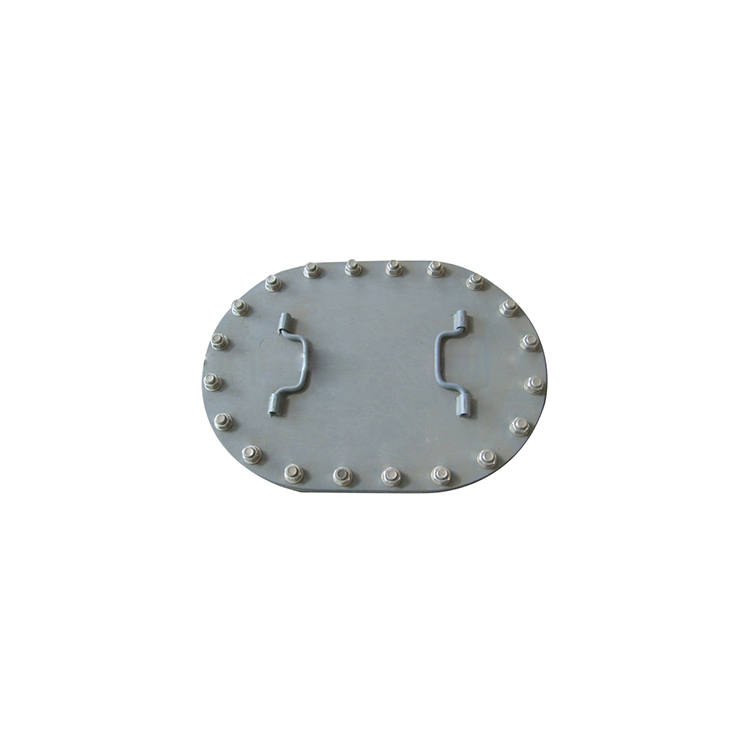
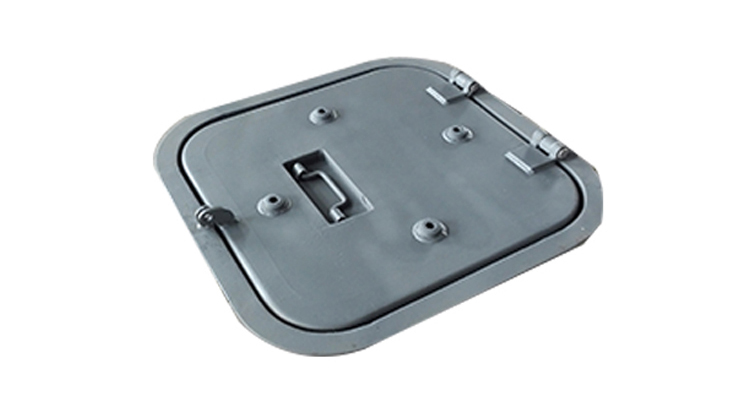
For commercial cargo ships, yachts and offshore working vessels, hatch and deck protection equipment needs to withstand year-round salt erosion and extreme weather changes. A high-quality marine cover with professional anti-corrosion treatment can maintain stable structural and sealing performance in harsh marine environments, greatly extending service cycles and reducing frequent replacement troubles for ship owners.
Core Corrosion Resistance Material & Performance Parameter Comparison
Corrosion resistance performance mainly depends on base materials and surface anti-corrosion craftsmanship. To help ship operators and procurement teams make accurate selections, we have sorted out three mainstream materials for marine protective equipment, with practical anti-corrosion parameters suitable for saltwater vessel operation.
| Material Type | Salt Spray Resistance Duration | Service Life (Saltwater Environment) | Core Anti-Corrosion Feature | Applicable Vessel Type |
|---|---|---|---|---|
| Galvanized Carbon Steel | 800–1200 hours | 3–5 years | Basic surface anti-rust treatment, cost-effective | Short-distance coastal working vessels |
| 304 Stainless Steel | 2000–3000 hours | 8–12 years | Excellent salt fog and oxidation resistance | Medium and long-distance cargo ships |
| 316L Stainless Steel | 4000+ hours | 15+ years | Molybdenum additive for extreme saltwater resistance | Offshore vessels, luxury yachts |
Key Factors to Select Corrosion Resistant Marine Cover
1. Match Material Grade According to Navigation Waters
Not all marine anti-corrosion materials fit the same operating environment. For near-shore vessels with short sailing cycles and regular maintenance, galvanized carbon steel accessories can balance performance and budget well. For medium and long-distance ocean-going ships that stay at sea for months, 304 stainless steel is the most cost-effective choice with stable anti-corrosion performance. For offshore engineering vessels and high-end yachts facing persistent strong salt fog, 316L stainless steel is essential to avoid long-term corrosion damage.
2. Inspect Professional Anti-Corrosion Surface Treatment
High-quality base materials alone cannot guarantee long-term saltwater resistance. Qualified marine equipment needs multi-layer professional anti-corrosion processing, including pickling passivation, high-pressure anti-rust spraying and waterproof sealing treatment. These processes fill material surface gaps, isolate salt fog and humid air, and prevent electrochemical corrosion. A well-processed marine cover can effectively avoid surface rust and peeling even in continuous harsh sea conditions.
3. Verify Structural Sealing and Anti-Corrosion Synergy
Corrosion damage often occurs at gaps and splicing positions. Many low-cost products have good surface anti-corrosion performance but lack precise structural fitting, leading to water and salt fog penetration at joints. Long-term internal moisture accumulation causes hidden corrosion, which gradually damages the internal structure. Standardized integrated welding and seamless sealing design can cooperate with anti-corrosion materials to achieve comprehensive protection without dead ends.
4. Prioritize Factory Tested and Certified Products
Reliable anti-corrosion performance requires professional salt spray testing and marine environment aging testing. Formal marine equipment manufacturers will provide complete test reports and industry certification documents, proving that the products meet international marine anti-corrosion standards. These verified products can adapt to long-term saltwater operation and avoid performance attenuation in actual navigation.
FAQs About Saltwater Resistant Marine Cover Selection
Q1: Is 316L material always necessary for saltwater vessel equipment?
Not necessarily. 316L offers the best anti-corrosion performance but has a higher cost. For ordinary coastal vessels with regular maintenance cycles, 304 stainless steel fully meets daily anti-corrosion needs. Ship owners can select materials according to sailing range and budget to balance performance and cost.
Q2: How often do corrosion-resistant marine accessories need maintenance?
High-quality stainless steel marine equipment only needs simple cleaning and inspection every 3–6 months in saltwater environments. Regular removal of surface salt deposits can effectively extend service life. Galvanized steel products require annual anti-rust touch-up to avoid local rust spread.
Q3: What problems will unqualified anti-corrosion equipment cause?
Poor anti-corrosion performance leads to rapid rusting, structural thinning and sealing failure. It may cause deck water leakage, equipment loosening, and even affect cabin safety during long-term navigation, resulting in high maintenance costs and hidden navigation risks.
Q4: Can surface painting replace professional material anti-corrosion?
No. Ordinary paint is easy to peel off under sea wind and wave impact. Professional marine anti-corrosion treatment and high-grade base materials form permanent anti-corrosion protection, which is far more reliable than simple surface painting and temporary maintenance.