

How Humid Marine Environments Damage Vessel Windows
Unlike regular residential windows installed in stable environments, boat windows face continuous compound damage from high humidity, salt corrosion and ultraviolet radiation. Humid air holds tiny water droplets that cling to window frames and sealing gaskets. Mixed with sea salt crystals, these droplets form a corrosive film that gradually degrades rubber seals, tarnishes metal frames and dulls window transparency over months and years of use.
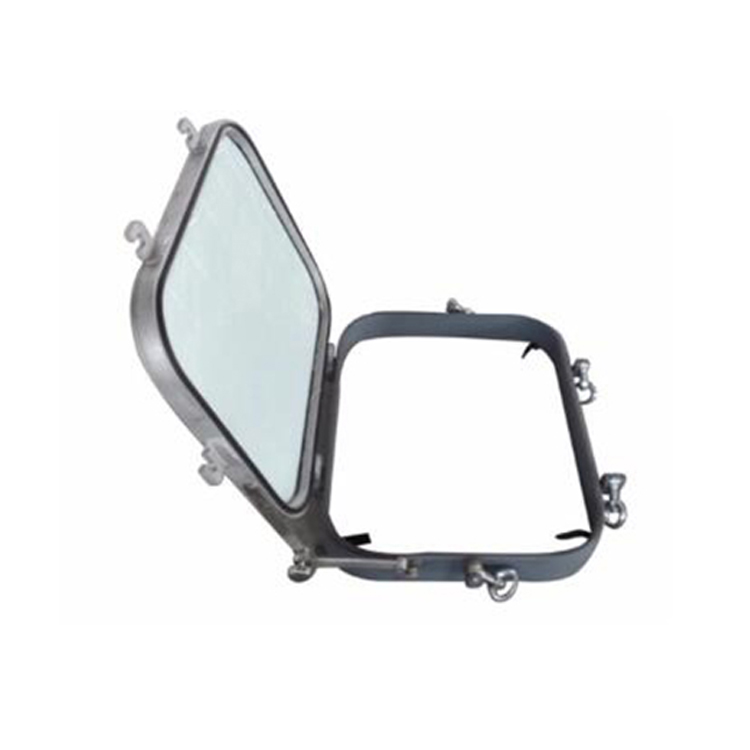
Most vessel owners only notice issues when severe problems occur, such as cabin water leaks, persistent foggy glass or mold growth inside window gaps. Early-stage damage is almost invisible, which makes routine maintenance so critical. To help users understand material durability differences, below is an industry-standard performance parameter table for common boat window materials under typical marine environmental conditions:
| Window Material | Continuous Humidity Resistance | Salt Corrosion Resistance Rating | UV Resistance Lifespan | Leak Risk Level |
|---|---|---|---|---|
| Marine Tempered Glass | 95% RH Long-Term Stable | Excellent | 8–12 Years | Low (seal dependent) |
| Clear Marine Acrylic | 90% RH Long-Term Stable | Very Good | 5–7 Years | Medium (prone to gasket wear) |
| Polycarbonate Marine Panel | 85% RH Long-Term Stable | Good | 4–6 Years | Medium-High |
From professional marine material testing, we can see that window panels themselves rarely fail. Almost all leak and clarity issues stem from degraded sealing systems, accumulated salt residue, and neglected frame maintenance, rather than material breakage. This means targeted daily care is far more effective than costly replacements.
Practical Maintenance Routines for Clear and Watertight Windows
Maintaining boat windows does not require professional marine engineering skills or expensive equipment. It only needs standardized seasonal cleaning, inspection and protection habits to fight against humid marine erosion. The following step-by-step routines are recommended by marine vessel maintenance experts and fit all types of small boats, yachts and commercial vessels.
Gentle Cleaning to Eliminate Salt and Humidity Residues
The biggest enemy of clear boat windows is leftover salt deposits. After every voyage, tiny salt particles stick to the window surface and frame gaps. In humid air, these particles absorb moisture nonstop, forming stubborn water spots and accelerating seal aging. Always use fresh water to rinse the window surface first to dissolve salt crystals completely. Follow up with a soft microfiber towel and mild, ammonia-free marine cleaner.
Avoid harsh household cleaners, scrub brushes or abrasive pads. These tools will leave micro scratches on acrylic and polycarbonate surfaces, which trap more moisture and dirt over time, making windows permanently foggy.
Seasonal Seal and Frame Inspection
Water leakage almost always starts with worn rubber gaskets and dried silicone seals. High humidity speeds up rubber aging, causing gaskets to harden, shrink or crack. It is essential to check the full window sealing edge every three months. Press the rubber strips gently to test elasticity, and check the bottom drainage holes to ensure no blockage.
Blocked drain holes trap water inside the frame cavity, creating long-term dampness that leads to internal corrosion and hidden leaks. If you notice cracked, loose or discolored seals, replace them immediately to protect your cabin interior from water damage.
UV and Anti-Fog Protection for Long-Term Clarity
Humid marine environments are always paired with strong solar UV radiation. Long-term sun exposure breaks down surface protective layers, leading to yellowing, fogging and reduced light transmission. Applying a marine-grade UV protective coating twice a year can effectively resist light aging and repel water droplets, keeping the window surface clear and dry in humid weather.
Frequently Asked Questions About Marine Window Maintenance
How often should I clean and inspect boat windows in humid coastal areas?
For vessels docked in humid coastal regions, basic cleaning is recommended after every use. A full seal, frame and drainage inspection should be completed every 3 months, with a professional deep maintenance check conducted once a year. This cycle prevents most fogging and leakage problems.
What causes sudden window leaks in humid weather?
Most sudden leaks are caused by swollen blocked drain holes or brittle seal gaskets weakened by long-term moisture and salt erosion. High humidity accelerates gasket aging, making tiny cracks expand quickly and allow rain or sea spray to seep into the cabin.
Can foggy marine window surfaces be restored instead of replaced?
Yes. Minor fogging and micro scratches caused by humidity and salt can be repaired with professional marine polishing paste and anti-fog coating. Only severely cracked, yellowed or structurally damaged panels require full replacement.
Is there a difference in maintenance for glass vs acrylic boat windows?
Tempered glass is harder and more scratch-resistant, needing only regular cleaning and seal checks. Acrylic panels are softer and require milder cleaning tools and regular UV coating protection to avoid permanent surface damage in humid marine conditions.