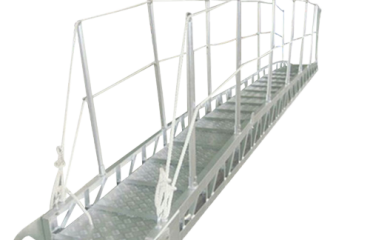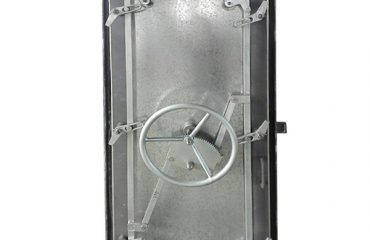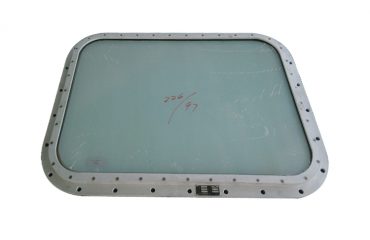


If you work in shipbuilding, vessel refitting or marine equipment procurement, you must know how tough saltwater environments are on ship accessories. Constant salt spray, high humidity and wave splashing can quickly wear out ordinary metal doors, causing rust, deformation and water leakage. That is why most modern working ships and offshore vessels choose stainless steel solutions. A well-built stainless steel marine door can solve most long-term durability pain points in harsh saltwater conditions.
Harsh Saltwater Conditions Challenge Traditional Ship Door Materials
Unlike onshore buildings, ship doors face continuous and aggressive environmental erosion every day. Ocean saltwater contains rich chloride ions, which trigger electrochemical corrosion on metal surfaces. For carbon steel or low-alloy ship doors, surface rust can appear within months of offshore operation. Without frequent painting and maintenance, corrosion will gradually erode the door frame, sealing structure and hinge parts.
Corroded ship doors bring multiple hidden troubles. Rust expansion causes structural deformation, which damages the watertight seal and leads to cabin water ingress. Loose hinges and stuck locking structures also affect daily access safety and inspection efficiency. For commercial working ships and offshore platforms that pursue long-cycle navigation and low maintenance costs, traditional materials can no longer meet operational demands, making stainless steel the mainstream replacement material.
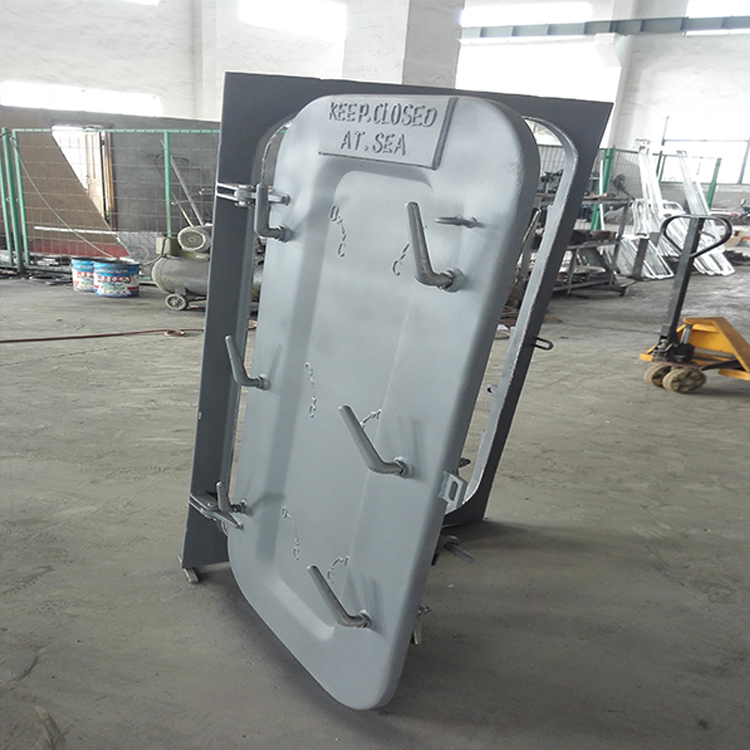
Material Performance Comparison in Saltwater Marine Environments
To explain why stainless steel dominates marine door configurations, we sorted out practical industry test data of three common shipbuilding materials. These parameters focus on salt spray resistance, service life and maintenance frequency, which directly reflect their adaptability for saltwater vessels.
| Material Type | Salt Spray Resistance | Service Life at Sea | Annual Maintenance Frequency | Core Defect in Saltwater |
|---|---|---|---|---|
| Ordinary Carbon Steel | Below 500 hours | 2–3 years | 3–4 times | Fast rust penetration, poor weather resistance |
| Galvanized Steel | 800–1200 hours | 4–6 years | 2 times | Zinc layer peeling after long-term wave impact |
| Stainless Steel (304/316L) | 3000–5000 hours | 12–20 years | 0–1 time | Almost no obvious corrosion failure |
Core Advantages of Stainless Steel for Saltwater Ship Applications
1. Excellent Chloride Corrosion Resistance
The biggest advantage of stainless steel is its strong tolerance to chloride ions in seawater. With stable chromium-nickel alloy composition, the material forms a dense passive protective film on the surface, which effectively isolates salt spray and humid air. Even in persistent offshore environments, it avoids electrochemical rusting. This stable performance ensures that a standard stainless steel marine door maintains complete structural integrity for decades.
2. Low Maintenance and Long Service Cycle
Carbon steel and galvanized steel doors require regular rust removal, polishing and repainting every year to delay corrosion. In contrast, stainless steel surfaces are smooth and anti-fouling, requiring only simple daily cleaning. It does not need frequent anti-rust coating maintenance, greatly reducing shore-based maintenance time and labor costs. For shipping companies with large fleets, this long-term cost-saving advantage is extremely obvious.
3. Stable Watertight and Structural Performance
Saltwater corrosion is the main cause of door frame deformation and rubber seal failure. Stainless steel maintains stable hardness and structural flatness in high-humidity and high-salt environments. It perfectly matches marine-grade rubber sealing strips, retaining long-term watertight and airtight performance. This reliability is critical for cabin compartments, equipment rooms and offshore living areas that require strict waterproof standards.
4. High Adaptability to Extreme Marine Weather
Working ships often face strong winds, storms and temperature fluctuations. Stainless steel has good toughness and temperature resistance, without brittle deformation in low-temperature sea areas or thermal expansion failure in tropical oceans. Its mechanical stability ensures normal opening, closing and locking of the door body under extreme weather conditions, improving overall vessel safety.
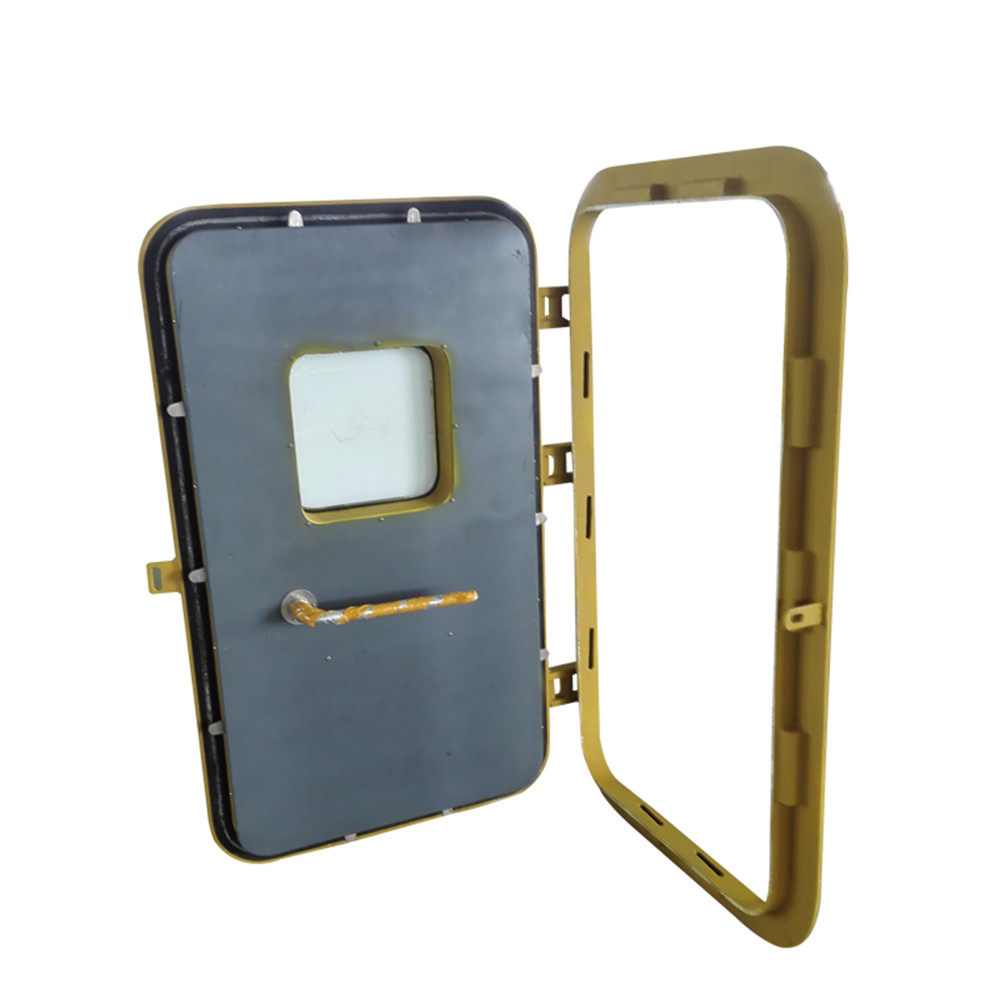
Frequently Asked Questions About Stainless Steel Marine Door
Q1: What is the difference between 304 and 316L stainless steel for marine use?
304 stainless steel fits regular coastal working ships with good cost performance. 316L contains molybdenum elements, providing stronger resistance to high-concentration salt spray and deep-sea corrosion. It is more suitable for offshore platforms and long-distance ocean-going vessels with harsher working conditions.
Q2: Can stainless steel doors completely avoid marine corrosion?
While not 100% corrosion-free, high-quality stainless steel rarely produces visible rust under standard marine service life. Only long-term accumulation of salt dirt and surface scratches may cause slight local oxidation, which can be easily fixed through daily cleaning and simple maintenance.
Q3: Why do many old ships still use carbon steel doors?
Early shipbuilding was limited by material costs and processing technology. Carbon steel is cheap for initial installation, but requires high annual maintenance. Modern shipbuilding prioritizes long-term operational efficiency, so stainless steel has gradually become the default configuration for new vessels.
Q4: Is stainless steel marine door worthy of the higher initial investment?
Absolutely. Although the upfront purchase cost is higher, it saves years of painting, rust removal and replacement expenses. Its long service life and stable sealing performance reduce hidden risks of cabin water ingress, bringing higher comprehensive economic benefits for ship operators.