

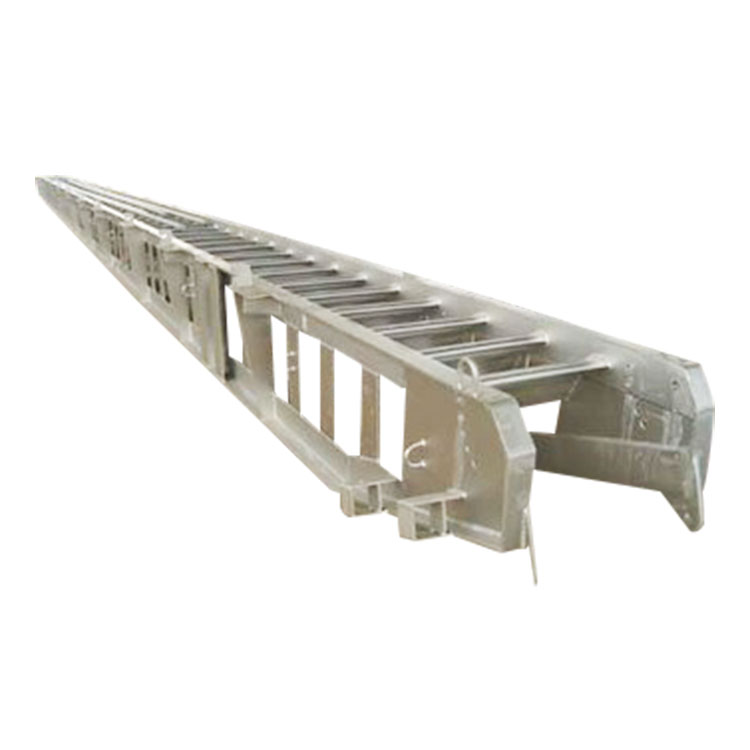
When people talk about load capacity, they often mix up working load and ultimate breaking load. The working load is the maximum live weight the ladder is designed to carry during normal use. The safety factor is the extra strength built into the frame, stiles and steps to handle shock loads, sudden movement from vessel rolling, and uneven weight distribution at sea. For most permanent fixed access ladders fitted inside compartments and on open decks, marine codes require a generous safety margin to account for rough sea conditions.
Ship ladders are different from ordinary industrial ladders used on land. On a ship, movement, vibration, salt corrosion and wet slippery surfaces create extra stress. A rating that works well on a factory floor may not meet the requirements for continuous marine service. Every step, handrail bracket and mounting point must be included in the load calculation, not just the ladder treads.
Typical Load And Design Parameters For Standard Ship Ladders
The table below lists common specifications for fixed marine access ladders following widely accepted marine guidance. These values are used for new construction and vessel refit planning.
| Item | Standard Specification |
|---|---|
| Single Step Design Load | 735 N per step |
| Rated Working Load | 150 kg per person |
| Minimum Safety Factor | 4:1 |
| Standard Step Depth | 150 mm |
| Usable Step Width | 400 mm to 600 mm |
| Allowed Inclination Angle | 50° to 70° from horizontal |
| Common Material | Hot-dip galvanized steel / 316 stainless steel |
| Reference Standard | ISO 5489, IACS Rec.90 |
| Static Test Requirement | 4 times working load for prototype testing |
The 735 N per step rating is a common baseline for fixed access ladders. This figure assumes one person standing on a single tread, and it does not mean the whole ladder can hold multiple people stacked on every step. Surveyors will usually check mounting points first, because weak deck welds or loose brackets are a frequent failure point rather than the ladder itself.
Why Safety Factor Matters More Than The Headline Load Number
A 4:1 safety factor means the ladder structure must withstand four times its rated working load before reaching breaking point. This buffer is critical at sea. When a ship rolls sharply, a crew member climbing can place sudden dynamic force greater than their static weight. Without this extra margin, cracks or permanent deformation can appear over time.
It is worth noting that portable ladders and pilot transfer arrangements follow separate rules. They are not covered by the same fixed-ladder load table above. Pilot ladders and embarkation ladders have their own strength tests and certification paths, which are managed under SOLAS and separate IMO resolutions.
Frequently Asked Questions
Q1: Does the load rating change when ship ladders are installed outdoors on exposed decks?
A1: The core working load rating stays the same, but corrosion protection becomes part of long-term load performance. Salt spray will slowly weaken steel if the coating or passive finish breaks down. Surveyors will reduce the effective safe load assessment if they find heavy rust, cracked welds or bent stiles.
Q2: Can multiple people climb the ladder at the same time if the total weight stays below the listed load?
A2: It is not recommended. The standard design load assumes one person on one step. Simultaneous climbing creates overlapping dynamic loads and uneven stress on the frame and deck fixings. Most vessel safety procedures limit these access ladders to one user at a time.
Q3: How is load capacity verified during factory or onboard inspection?
A3: Prototype units undergo static load testing to confirm the safety factor. During regular ship surveys, inspectors look for visible deformation, cracks, loose fasteners and corrosion rather than repeating full destructive load tests. Records of the original test certificate must stay on board for review.
Q4: Will custom-sized ship ladders keep the same standard load capacity?
A4: Custom length or width can be built while keeping the same per-step load rating, but longer spans need extra intermediate supports. Without additional brackets, deflection will increase and the real safe load will drop below the original design value.
Practical Tips For Maintaining Load Performance Over Time
Even a ladder built to the correct load rating can become unsafe if maintenance falls behind. Check the treads for wear, especially anti-slip surfaces that wear away with heavy foot traffic. Check handrail connections and base mountings after heavy weather or dry docking. If any step is bent, or weld lines show fine cracks, the ladder should be taken out of service until repairs are finished and rechecked.
Material selection also supports long-term load retention. Hot-dip galvanized steel works well for general cargo and work vessels. 316 stainless steel is preferred for yachts, passenger craft and areas with constant salt splash. Choosing the right material reduces corrosion and keeps the structure strength consistent through years of service.