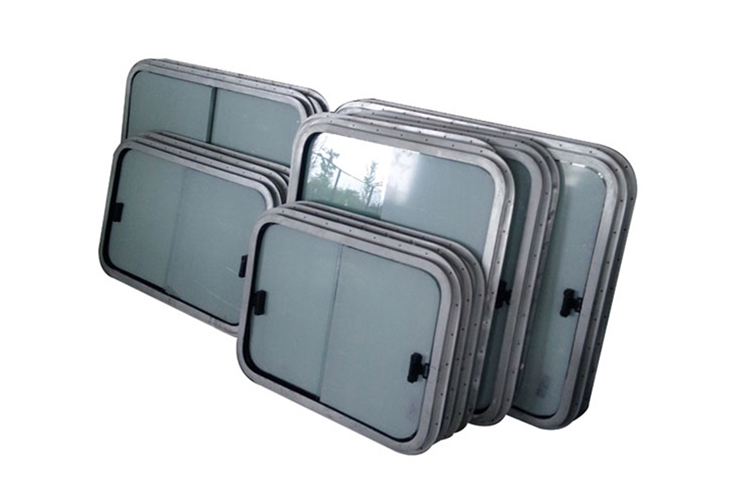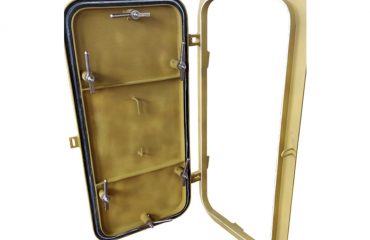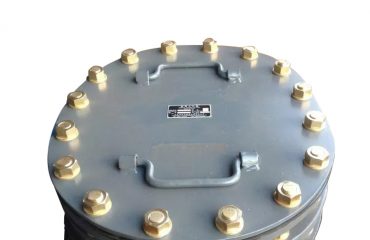


Let’s be honest. Most buyers start by comparing frame thickness or glass clarity. That’s understandable, but it’s only half the story. A window that isn’t certified can fail your class survey, void your insurance, or worse, leak during heavy weather. Certifications aren’t just paperwork — they’re proof that the window has been tested under realistic marine conditions. They tell you how it behaves under pressure, heat, and sea water. When you pick a certified product, you’re buying peace of mind that’s backed by real test reports, not marketing claims.
The core certifications a qualified product should have
Not all certifications are equal. Some are mandatory by law, others are quality marks that show a supplier is serious. Here’s what to look for, from the most important down.
1. SOLAS compliance
SOLAS, short for Safety of Life at Sea, is the international standard every commercial vessel must follow. Windows that go into watertight or fire-resisting divisions are required to meet SOLAS requirements. This isn’t a nice-to-have. A window without SOLAS compliance risks being rejected during your classification survey. When a supplier tells you their windows are “SOLAS approved,” ask to see the actual type approval certificate and the test report behind it.
2. ISO 9001 quality management
ISO 9001 isn’t about the window itself — it’s about how the factory makes it. A supplier with ISO 9001 runs documented, repeatable processes. That means consistent frame alignment, controlled welding, and traceable material batches. In the marine world, where a single bad weld can cause a leak years later, this consistency matters a lot. It’s a strong signal that the manufacturer isn’t cutting corners.
3. Fire-resistance ratings
Passenger ships and vessels with accommodation areas often need windows that can withstand fire for a set time. Look for fire ratings measured in minutes — A-0, A-15, A-30 or higher. These ratings come from laboratory tests that simulate a real fire scenario. A certified window will carry a label stating its fire class. If a window claims to be fire-rated but has no test certificate to back it, treat that claim with caution.
4. Classification society approvals
Most owners work with a classification society — like ABS, DNV, Lloyd’s Register or Bureau Veritas. These societies set their own rules on top of international standards. A window approved by one of these bodies is often required for new builds. Some suppliers hold multiple approvals, which makes the product easier to fit on vessels flagged under different registers. If you know which society your ship is classed with, check that the window matches that society’s requirement.
5. Material and corrosion certifications
Windows live in one of the most corrosive environments on earth. Salt spray, humidity, and temperature swings attack frames constantly. That’s why material quality matters. Look for frames made of marine-grade aluminium or stainless steel with clear material certificates. Some suppliers also provide salt-spray test data to show how the coating holds up. This is a detail many buyers skip, and it often shows up later as rust streaks around the frame.
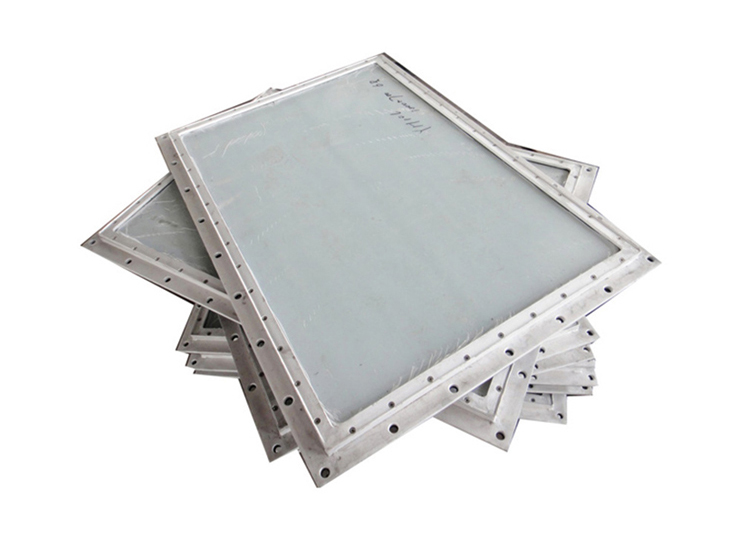
A quick look at typical Marine Windows parameters
To give you a clearer idea of what a certified window involves, here’s a typical parameter set you might see on a spec sheet for a round or rectangular marine window:
| Parameter | Typical Value | Why It Matters |
|---|---|---|
| Frame material | Marine-grade aluminium / 316L stainless steel | Corrosion resistance in salt water |
| Glass type | Tempered or laminated safety glass | Strength and shatter safety |
| Fire rating | A-0 to A-60 (depending on class) | Compliance for accommodation areas |
| Watertight class | Fully watertight to SOLAS | Prevents ingress in heavy seas |
| Standard sizes | From Ø200 mm to 800 mm+ | Flexibility for different hulls |
| Fixing method | Bolt-on or weld-on flange | Ease of installation and sealing |
| Coating | Powder-coated or anodised | Longer coating life |
| Test documents | Type approval + batch test report | Traceability and survey readiness |
Note that exact values depend on your vessel’s class and position of the window. Always confirm the parameters against your classification society’s rules rather than relying on a generic table.
How to verify a supplier’s certifications
Certifications are only useful if you can check them. Here’s a simple way to go about it.
First, ask for the type approval certificate and read the validity dates. Some approvals expire and need renewal. Second, request the original test report, not just a summary. Third, confirm the certification covers your specific window size and glass configuration. A certificate for a small porthole doesn’t automatically cover a large bridge window. Finally, check whether the supplier can provide documents for the exact classification society your ship is registered with. If they hesitate on any of these, that’s a red flag worth taking seriously.
Common mistakes buyers make
One mistake is assuming all windows sold as “marine” are certified. The word marine gets used loosely in marketing. Another is trusting verbal promises instead of written certificates. And a third is picking the cheapest certified-looking option without checking which tests were actually run. None of these are fatal on their own, but together they can lead to expensive retrofits. Spending a little extra time on certification checks at the start almost always saves money later.
Frequently asked questions about Marine Windows certifications
Q1. Is SOLAS certification mandatory for all Marine Windows?
Not for every single window, but for those located in watertight or fire-resisting divisions, yes. Where a window sits on the vessel decides which rules apply. Your classification survey will tell you the exact requirement.
Q2. Can I use a window with only ISO 9001 and no fire rating?
That depends on the location. In areas that don’t require fire resistance, an ISO-certified window may be fine. In accommodation or escape routes, a fire-rated window is usually needed. Always match the window to the ship’s class rules.
Q3. How can I tell if a supplier’s certificate is genuine?
Check the issuing body, the product model, and the validity date on the certificate. Ask for the original test report and, if possible, verify with the certifying body. Genuine certificates are traceable; vague ones are not.
Q4. Do certification requirements change for different ship types?
Yes. A cargo vessel, a passenger ferry, and an offshore platform have different rules. Passenger ships face stricter fire requirements. Offshore units face tougher structural loads. The certification you need depends on what the vessel is used for.
Q5. How long does certification remain valid?
It varies. Type approvals often have renewal periods, and a design change can require a fresh test. Confirm the validity with the supplier and keep renewal dates on file.