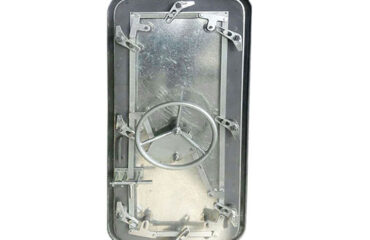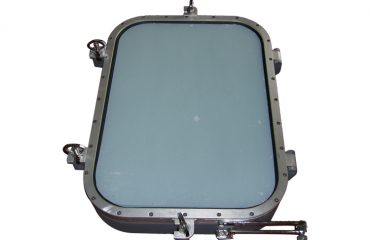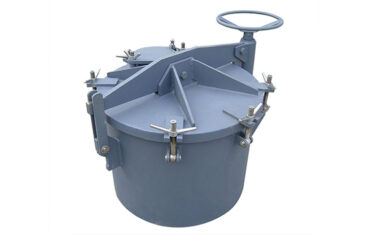


Anyone who spends time on the ocean knows marine environments are incredibly tough on boat and ship components. Constant sea winds, splashing waves, and salty humid air quickly wear down ordinary windows, leading to cracks, fogging, and rust. This is why professional vessels never use regular glass, and rely entirely on upgraded, reinforced marine-grade solutions. A well-built ship window is far more than just a viewing panel, it is a critical safety part for all kinds of seagoing vessels.
Why Ordinary Windows Fail Harsh Marine Environmental Conditions
Most standard building and vehicle windows are designed for mild, land-based environments. They cannot handle the dual extreme threats present at sea: dynamic water pressure and persistent salt corrosion. For ships, yachts, and offshore working vessels, these two factors are the main causes of window failure and cabin damage.
First, ocean pressure is never static. When vessels sail through rough waves, strong water impact hits cabin windows repeatedly. Ordinary float glass lacks impact resistance and will crack or shatter under continuous wave pounding. Even on calm days, underwater static pressure and high-speed sailing airflow create long-term stress on window surfaces, gradually causing structural deformation.
Second, salt corrosion is a silent and persistent threat. Ocean air contains high concentrations of sodium chloride, which adheres to window frames, seals, and glass edges. Over time, salt particles oxidize metal frames, erode rubber sealing strips, and create tiny scratches on glass surfaces. These damages gradually develop into water leakage, air infiltration, and permanent visual blurring, seriously affecting navigation observation and cabin tightness.
For these reasons, maritime industry standards strictly prohibit ordinary windows on seagoing ships. Only specially treated reinforced marine accessories can adapt to long-term offshore operations, and a professional ship window is the standard configuration for compliance and safety.
Core Structural and Material Designs That Strengthen Marine Window Performance
A qualified reinforced ship window gains its superior durability from targeted material selection and structural optimization, rather than simple thickening. Every design detail is tailored to resist ocean pressure and salt corrosion, ensuring stable performance in all sea conditions.
- High-Strength Composite Glass Structure
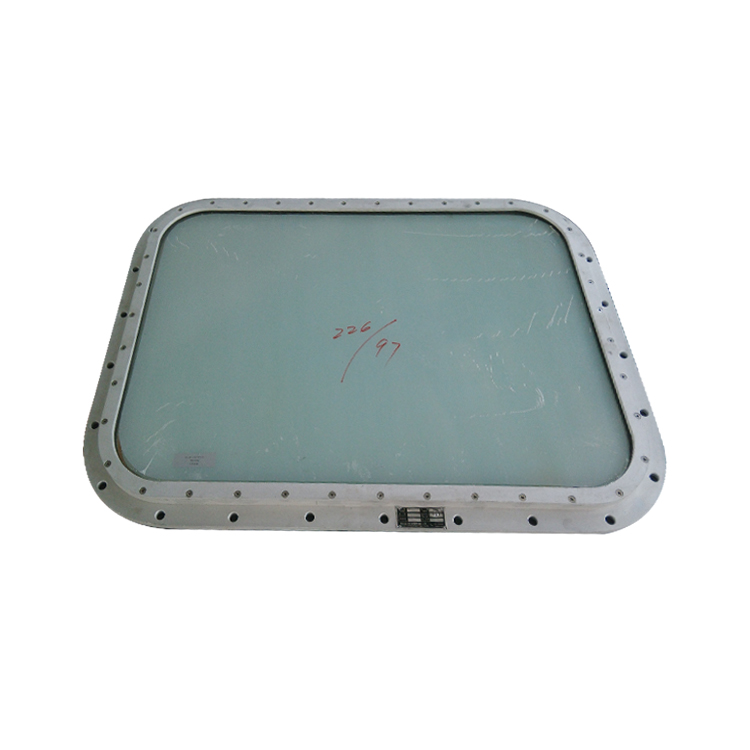
Different from single-layer ordinary glass, marine reinforced windows adopt multi-layer laminated tempered glass. The internal laminated adhesive layer bonds multiple glass layers tightly together. Even if the glass suffers strong impact and cracks, it will not fall off or penetrate, effectively resisting wave impact pressure. Meanwhile, special anti-corrosion coating is plated on the glass surface to isolate salt mist adhesion and prevent surface oxidation and fogging. - Anti-Corrosion Metal Frame and Sealing System
Frame material determines the long-term corrosion resistance of marine windows. Reinforced models abandon ordinary iron and aluminum alloys, and use high-grade marine stainless steel or aluminum-magnesium alloy. These materials have natural salt spray resistance and will not rust or deform in humid and salty marine environments. Matched with imported silicone rubber sealing gaskets, the windows maintain excellent tightness for years, avoiding seawater penetration. - Pressure-Resistant Integrated Installation Structure
The overall installation structure adopts embedded integrated fixing technology. The window body and cabin wall are tightly fitted with professional pressure-resistant fixing parts, which can evenly disperse instantaneous wave impact pressure. This structural design avoids local stress concentration and greatly improves the overall pressure-bearing limit of the window.
The following authoritative parameter table intuitively shows the performance gap between reinforced marine configurations and ordinary windows, reflecting the professionalism of marine dedicated equipment:
| Performance Parameter | Reinforced Marine Window | Ordinary Land Window |
|---|---|---|
| Impact Pressure Resistance | ≥0.35MPa | ≤0.1MPa |
| Salt Spray Corrosion Resistance | ≥5000 hours | ≤800 hours |
| Glass Structure | Multi-layer laminated tempered glass | Single-layer ordinary float glass |
| Frame Material | Marine stainless steel / aluminum-magnesium alloy | Ordinary aluminum alloy / iron frame |
| Service Life (Marine Environment) | 8-12 years | 1-3 years |
Practical Values of Reinforced Marine Windows for Vessel Operation
The excellent pressure resistance and anti-corrosion performance bring tangible practical value to ship operation and maintenance. For ship owners and operators, high-quality marine windows reduce frequent replacement and maintenance costs caused by environmental damage. Stable and transparent window vision ensures clear navigation observation, avoiding potential navigation risks caused by blurred or damaged windows.
In addition, reliable cabin tightness ensures the stability of the internal ship environment, protecting precision instruments, electrical equipment and cabin facilities from seawater and humid air erosion. Whether for cargo ships, passenger ships, yachts or offshore engineering vessels, qualified reinforced marine windows are essential basic safety guarantees for long-distance navigation and offshore operations.
FAQs About Reinforced Marine Windows
- Can reinforced ship windows withstand typhoon-level rough sea impacts?
Professional marine reinforced windows are tested according to international maritime standards. They can resist strong wave impact and typhoon sea conditions, maintaining intact structure and stable tightness in extreme weather, fully meeting offshore navigation safety requirements. - Do reinforced marine windows require special daily maintenance?
The maintenance threshold is low. Daily cleaning only needs fresh water flushing to remove surface salt deposits. Regular inspection of sealing gaskets and frame tightness every six months can effectively extend service life, with no complicated maintenance procedures. - Are reinforced ship windows suitable for all types of vessels?
Yes. Standard sizes and customized sizes cover yachts, cargo ships, fishing boats, patrol ships and offshore working vessels. Manufacturers can adjust thickness, structure and specifications according to vessel tonnage and sailing sea area to match different usage scenarios. - What is the main difference between marine windows and ordinary toughened glass windows?
Ordinary toughened glass only improves impact resistance, without professional anti-salt corrosion coating and pressure dispersion structure. It cannot adapt to long-term high-humidity and high-salt marine environments, and does not meet maritime safety certification standards.
At the end of the day, marine navigation environments are harsh and unforgiving, and every vessel component matters a lot. A high-quality reinforced ship window acts as a solid protective barrier for the cabin, resisting ocean pressure and salt corrosion all year round. It not only ensures clear vision and comfortable cabin environment, but also lays a solid foundation for safe and stable ship navigation.