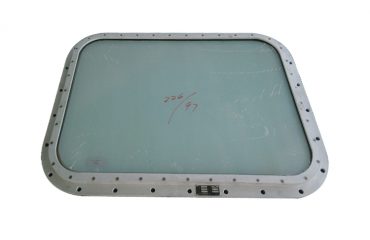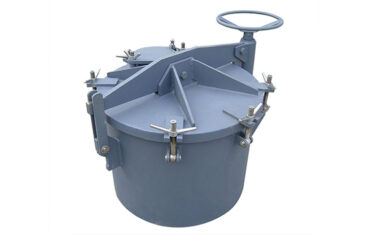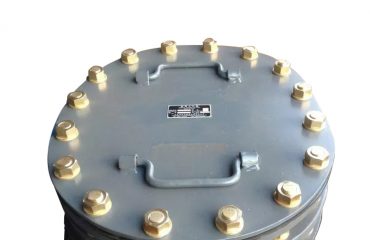


Marine environments are extremely harsh. Constant salt spray, strong ocean winds, extreme temperature shifts, and persistent hull vibration gradually break down window frames, seals, and glass panes. Unlike regular building windows, a ship window must withstand continuous water pressure, corrosion, and mechanical stress while maintaining full watertight performance.
A degraded ship window does not just cause minor inconveniences. Cracked glass, rusted frames, or failed rubber gaskets can lead to cabin water ingress, interior equipment damage, and even safety hazards during rough sea conditions. Additionally, outdated window designs often fail to meet modern marine classification standards, risking failed vessel inspections and operational downtime. Timely replacement eliminates these hidden risks and extends your vessel’s service life.
Key Technical Specifications for Standard Ship Window
Choosing a compatible replacement requires adherence to industry marine standards. Generic windows cannot adapt to marine wMarine environments are extremely harsh. Constant salt spray, strong ocean winds, extreme temperature shifts, and persistent hull vibration gradually break down window frames, seals, and glass panes. Unlike regular building windows, a ship window must withstand continuous water pressure, corrosion, and mechanical stress while maintaining full watertight performance.
A degraded ship window does not just cause minor inconveniences. Cracked glass, rusted frames, or failed rubber gaskets can lead to cabin water ingress, interior equipment damage, and even safety hazards during rough sea conditions. Additionally, outdated window designs often fail to meet modern marine classification standards, risking failed vessel inspections and operational downtime. Timely replacement eliminates these hidden risks and extends your vessel’s service life.
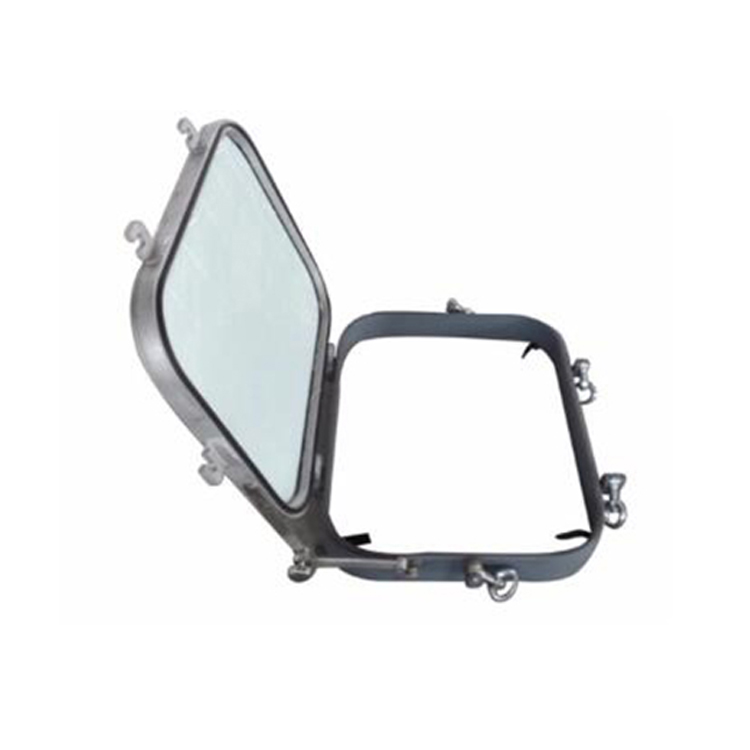
Key Technical Specifications for Standard Ship Window
Choosing a compatible replacement requires adherence to industry marine standards. Generic windows cannot adapt to marine working conditions, so professional vessel upgrades always follow standardized parameter requirements. Below is a verified specification table for mainstream commercial ship window models, referencing ABS and CCS marine industry guidelines for optimal reference.orking conditions, so professional vessel upgrades always follow standardized parameter requirements. Below is a verified specification table for mainstream commercial ship window models, referencing ABS and CCS marine industry guidelines for optimal reference.
| Specification Item | Standard Parameter | Functional Purpose |
|---|---|---|
| Glass Thickness | 8mm – 15mm Tempered/Laminated Glass | Resists wave impact and vibration damage, prevents shattering at sea |
| Frame Material | Marine Grade Aluminum / Stainless Steel 316 | Anti-corrosion, salt spray resistance, long-term structural stability |
| Sealing Structure | Butyl Rubber Gasket + Silicone Double Sealing | Ensures full watertight performance under stormy sea conditions |
| Pressure Resistance | 0.15 – 0.3MPa Static Water Pressure | Adapts to deck-level water impact and hull pressure changes |
| Fire Rating (Optional) | A0 / A60 Fireproof Grade | Meets fire safety requirements for passenger and cargo vessels |
These parameters represent the baseline for qualified marine window replacements. Any substandard parts will quickly degrade in offshore environments, leading to repeated maintenance costs and hidden safety dangers.
Critical Signs You Need a Ship Window Replacement
- Persistent Seal Failure and Water Leakage
The most common warning sign is frequent water seepage around window edges after sailing or rainfall. Aging rubber gaskets gradually harden and crack under long-term salt corrosion, losing their waterproof elasticity. Minor leaks will expand over time, causing cabin wall mildew, electrical circuit dampness, and internal structural rust. - Visible Frame Corrosion and Structural Looseness
Ordinary steel or low-grade alloy frames develop rust spots and corrosion pits after years of marine exposure. Severe corrosion weakens the frame’s fixed structure, causing window shaking and abnormal noise during vessel navigation. Once looseness occurs, the window can no longer resist external water pressure, requiring immediate replacement. - Scratched, Foggy or Damaged Glass
Long-term salt crystallization and wind erosion leave permanent scratches and foggy layers on window glass, severely affecting crew observation vision. Cracked or chipped glass cannot withstand sea wave impact, posing a direct safety threat during voyages.
FAQs About Ship Window Replacement
- Can I replace a ship window with a regular civilian window?
No, this is a common mistake for new vessel operators. Civilian building windows lack pressure resistance, corrosion resistance, and anti-vibration performance. Only professionally certified marine-grade ship window products meet classification society standards, ensuring safe and stable use at sea. - How long does a standard ship window replacement last?
With correct installation and daily maintenance, qualified marine windows can serve 8 to 12 years. The actual service life depends on the vessel’s sailing environment. Offshore vessels facing severe salt spray need annual seal inspections to extend service life. - Is full window replacement necessary, or can partial repair work?
If only the sealing gasket is aging, replacing the gasket alone can solve leakage problems. However, if the frame is corroded or the glass is cracked, full ship window replacement is mandatory. Partial repairs cannot restore structural stability and waterproof performance completely. - What is the correct post-installation maintenance method?
After replacement, avoid soaking the window with seawater within 48 hours to ensure full sealant curing. Regularly clean salt deposits on frames and glass with neutral cleaning agents, and check gasket elasticity every six months to prevent aging failure.
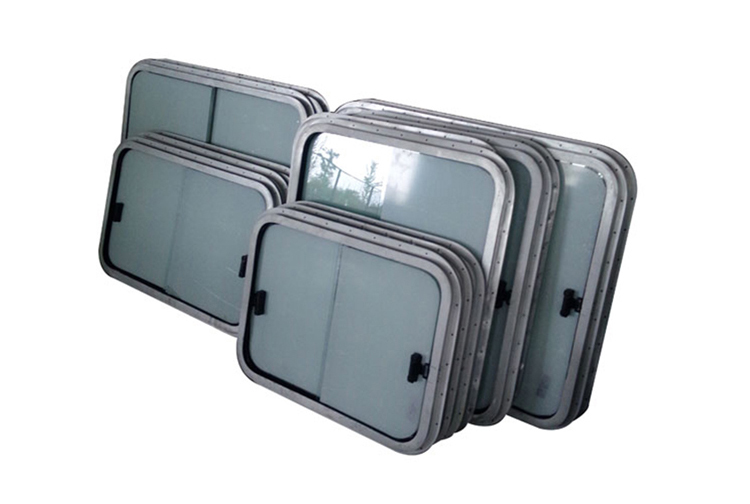
Professional Replacement Tips for Long-Term Stability
Many vessel owners encounter secondary leakage problems shortly after replacement, mostly caused by non-standard installation. Before installing a new ship window, workers must clean up old sealant and rust residues completely to ensure a flat installation base. During installation, double-layer sealing with butyl rubber and marine silicone is required, with 24 to 48 hours of static curing before putting the vessel into service.
In addition, owners must select matching specifications according to vessel type. Cargo ships prioritize watertight fixed windows, while passenger ships and yachts usually adopt ventilated opening windows to balance safety and comfort. Choosing customized specifications instead of universal models greatly improves replacement quality.
Overall, replacing an old ship window is not a simple renovation task, but a key project related to vessel safety, compliance, and long-term operation. By judging replacement timing accurately, selecting standard-compliant products, and adopting standardized installation processes, you can completely eliminate hidden dangers and ensure stable vessel navigation in all sea conditions.