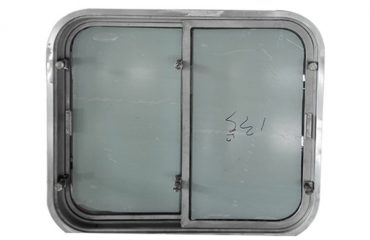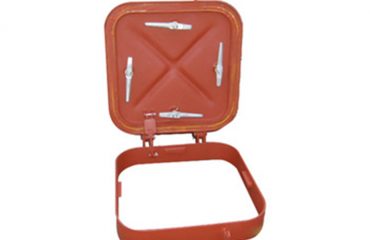


Small vessels such as leisure yachts, patrol boats, and fishing boats have unique environmental requirements that residential and commercial windows cannot meet. Marine windows must withstand continuous salt spray corrosion, frequent hull vibration, sudden wind and wave impacts, and drastic temperature changes. Unlike ordinary building windows, a qualified marine aluminium sliding window focuses entirely on seaworthiness, structural stability, and long-term reliability rather than simple aesthetics. When sourcing and specifying vessel windows, buyers and shipbuilders must prioritize several non-negotiable technical features to ensure safe and durable performance at sea.
Marine-Grade Alloy Material and Corrosion Resistance
The biggest enemy of vessel exterior fittings is salt corrosion. Ordinary industrial aluminium profiles will quickly oxidize, fade, and develop pitting after long-term exposure to coastal salt spray, leading to seal failure and frame deformation. For small vessel applications, material grade is the first and most critical inspection standard.
Truly marine-rated window frames adopt high-strength anti-corrosion aluminum alloy, with specialized surface treatment processes to resist saltwater erosion. The following professional parameter table lists standard material performance requirements for marine window configurations, providing clear reference for specification screening:
| Performance Item | Marine Standard Parameter | Practical Vessel Benefit |
|---|---|---|
| Alloy Grade | 6063-T5 / 6061-T6 Marine Grade | High tensile strength with anti-deformation performance |
| Surface Treatment | Anodized + Marine Powder Coating | Resists salt spray and ultraviolet aging |
| Salt Spray Resistance | 5000+ Hours Neutral Salt Spray Test | No corrosion or peeling in coastal marine environments |
| Frame Wall Thickness | ≥2.0mm Reinforced Profile | Anti-shock structure against wave impact vibration |
These material standards ensure the window frame maintains stable structural performance for years, even in humid and high-salinity sea conditions. Ship owners should always reject ordinary civilian aluminium profiles that lack marine anti-corrosion certification.
Professional Waterproof and Sealing Structure
Water leakage is the most common failure of small vessel windows. At sea, splashing waves, rainstorms, and deck cleaning water can easily penetrate unqualified window gaps, causing cabin dampness, internal electrical damage, and hull mold growth. Marine windows adopt a completely different drainage design from civilian sliding windows.
High-quality marine configurations feature multi-layer EPDM marine rubber sealing strips and independent internal drainage channels. The closed waterproof structure prevents water backflow even when the vessel tilts during sailing. Additionally, the sliding track adopts a fully enclosed design to avoid salt sediment accumulation, ensuring smooth sliding while maintaining long-term waterproof performance.
Impact-Resistant Safety Glass Configuration
Small vessels often face sudden strong winds, flying sea spray, and accidental floating object impacts during navigation. Ordinary hollow glass or single-layer glass cannot withstand marine dynamic pressure and is prone to cracking, which brings huge safety hazards to the cabin and crew.
Standard vessel windows must adopt marine toughened laminated glass, with clear impact resistance parameters and broken safety performance. Even if impacted by external force, the glass will not scatter and fall off, effectively protecting cabin personnel and equipment. The glass thickness and structural strength are professionally calibrated according to marine wind pressure standards, adapting to the dynamic pressure changes of offshore navigation.
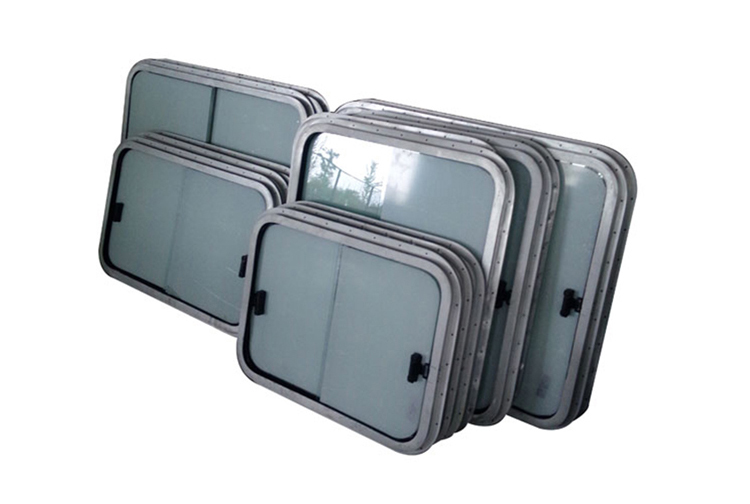
Vibration Resistance and Stable Sliding Mechanism
Hull vibration is continuous during vessel operation. Ordinary sliding window pulley structures are prone to loosening, jamming, and abnormal noise after long-term vibration, affecting daily use and reducing service life.
The customized sliding system for marine environments uses stainless steel silent pulleys and anti-loose fixed fasteners. The whole structure can adapt to long-term high-frequency hull vibration without sliding deviation or jamming. This stable mechanical design ensures the aluminium sliding window can open and close smoothly throughout long-term marine service, avoiding frequent maintenance and replacement troubles.
Marine Industry Compliance Certification
Different from building windows, vessel windows belong to ship safety fittings and must pass professional marine inspection certification. When selecting products, shipyards and maintenance teams need to check whether the products meet local marine equipment safety standards.
Qualified marine windows have complete factory test reports, including salt spray resistance, wind pressure resistance, waterproof grade, and structural stability test data. Products without professional marine certification cannot adapt to formal vessel inspection and cannot be safely used in offshore navigation environments.
FAQs About Marine Aluminium Sliding Window for Small Vessels
- What is the core difference between marine and civilian aluminium sliding window?
The core difference lies in anti-corrosion performance, vibration resistance, and waterproof structure. Marine models use dedicated marine alloy materials and closed drainage systems to adapt to salt spray and hull vibration, while civilian windows cannot withstand harsh sea conditions. - How long is the service life of qualified marine vessel windows?
With standard marine-grade materials and surface treatment, the window frame can maintain stable performance for 8 to 12 years in coastal environments, far longer than ordinary civilian aluminium window products. - Is toughened laminated glass a must for small vessel windows?
Yes. Laminated safety glass prevents fragment splashing after impact damage, meeting marine safety navigation standards. It is a mandatory configuration for all offshore small vessel cabin windows. - Do marine sliding windows require regular professional maintenance?
Regular simple cleaning of track salt deposits and sealing strip inspection is needed every 3 to 6 months. Standard marine structures require very low maintenance compared with ordinary windows, reducing long-term ship maintenance costs.