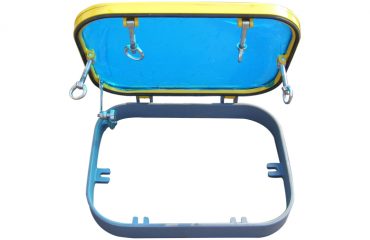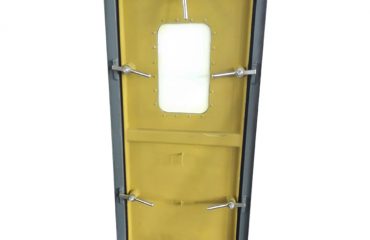


Regular protective covers designed for land use or freshwater environments fail quickly at sea. The biggest threat of saltwater is its strong corrosiveness. Salt ions in seawater can penetrate loose fabric and surface coatings, leading to rust on metal parts, mold growth on fabric, and material aging and cracking. Meanwhile, continuous ultraviolet radiation from sunlight weakens fiber structures, making ordinary covers fade, tear, or lose waterproof functions within months.
Long-term marine exposure also means covers need to withstand extreme weather changes, including high sea winds, storm surges, and high humidity. A low-quality cover will stretch, shrink, or delaminate under these repeated stresses. This is why professional boat operators and marine maintenance teams always prioritize saltwater-resistant, weather-rated marine cover products instead of generic alternatives.
Core Technical Parameters for Durable Marine Cover Selection
To avoid subjective selection mistakes, referring to industry-standard technical parameters is the most reliable way to judge cover durability. Below is a practical parameter comparison table for mainstream marine cover materials suitable for saltwater long-term use, summarized from marine industry maintenance data.
| Material Type | UV Resistance Rating | Salt Corrosion Resistance | Waterproof Rating | Service Life (Saltwater Environment) |
|---|---|---|---|---|
| PVC Coated Polyester | UV50+ | Excellent | IP67 | 5-8 Years |
| Heavy-Duty Nylon | UV40 | Good | IP65 | 3-5 Years |
| Polyurethane Coated Fabric | UV30 | Moderate | IP64 | 2-3 Years |
From the data above, PVC coated polyester stands out as the most cost-effective and durable option for long-term saltwater exposure. It balances weather resistance, waterproof performance and service life, and is widely used for yacht deck covers, hatch covers and offshore equipment protection. Heavy-duty nylon is suitable for short-term or seasonal marine use, while polyurethane coated fabric is more fit for freshwater or indoor marine equipment protection.
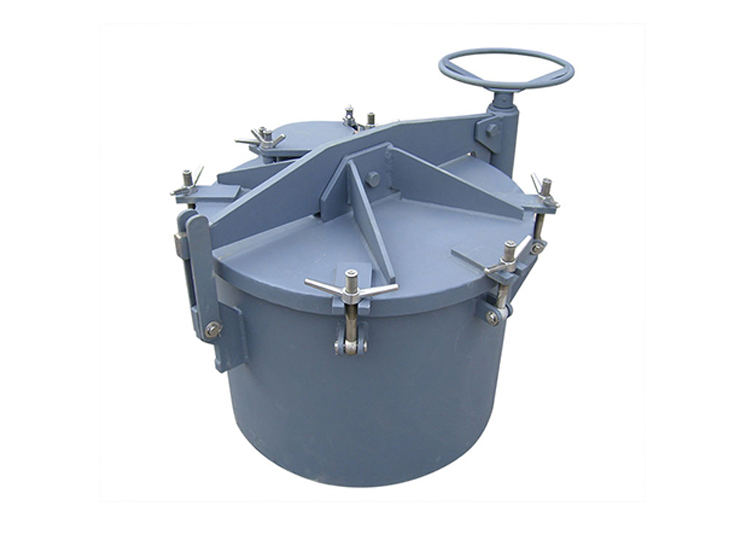
Key Practical Factors to Choose a Long-Lasting Marine Cover
- Match the Cover Function with Usage Scenarios
Different marine scenarios require different cover functions. For open-sea vessels and offshore platforms, the top priority is salt corrosion and UV resistance. For dock-berthed boats that stay in saltwater all year round, wind resistance and tight-fitting performance are equally important. You do not need overly thick and heavy covers for short-distance coastal navigation, but you must ensure the material has basic salt-resistant treatment. - Check Sewing and Edge Reinforcement Craft
Material quality is important, but craft details determine the actual service life of the cover. High-quality marine cover adopts double-layer stitching and heat-sealed waterproof seams, which can prevent saltwater infiltration from tiny pinholes. The edge of the cover is usually reinforced with thick webbing and metal grommets, which avoids tearing caused by wind pulling and repeated disassembly. Inferior products with single stitching will leak water and fray at the edges after a short period of sea wind erosion. - Prioritize Certified Marine-Grade Products
Regular marine-grade covers will pass professional marine environment tests, including salt spray aging tests and UV accelerated aging tests. These certified products have stable performance and will not have sudden aging or failure in harsh sea conditions. It is not recommended to buy cheap uncertified covers, as their anti-corrosion and anti-aging parameters are often not up to standard, leading to frequent replacement and higher long-term costs.
Frequently Asked Questions About Marine Cover Selection
- Is a thicker marine cover always more durable for saltwater use?
Not exactly. Thickness is only a reference index. Some thick covers use low-quality raw materials with poor anti-ultraviolet and anti-corrosion performance, which will harden and crack after long-term sun and saltwater exposure. Relatively, covers with professional salt-resistant and UV coating treatment, even with moderate thickness, have better durability than unprocessed thick products. - How often does a saltwater-resistant marine cover need maintenance?
For marine covers used in open saltwater environments, regular maintenance every 2 to 3 months is recommended. Daily maintenance only needs simple fresh water flushing to wash off surface salt deposits and dust. Avoid using strong alkaline detergents, which will damage the surface protective coating and reduce the waterproof and anti-corrosion effect. - Can one marine cover adapt to all marine exposure environments?
No universal marine cover exists. Offshore deep-sea environments with strong wind and high salt concentration need high-standard PVC coated polyester covers. Coastal shallow water and seasonal navigation scenarios can choose cost-effective heavy-duty nylon covers. Selecting targeted products according to the actual environment is the core of long-term stable use. - What is the biggest difference between marine-grade covers and ordinary waterproof covers?
The core difference is environmental adaptability. Ordinary waterproof covers only focus on rainproof performance, without targeted salt corrosion resistance and anti-UV aging treatment. Marine-grade marine cover is specially optimized for the high-salt, high-humidity and strong-light marine environment, which can maintain stable performance for many years in harsh sea conditions.
In short, picking a durable marine cover for saltwater and long-term marine exposure is not about choosing the most expensive product, but the most suitable one. By focusing on professional material parameters, production craft and scenario matching, you can easily avoid inferior products, reduce frequent replacement troubles, and provide long-term stable protection for your marine equipment and vessels.