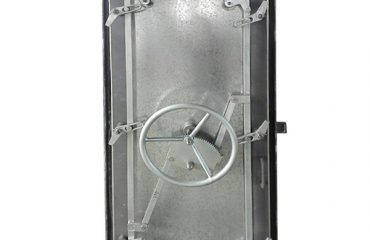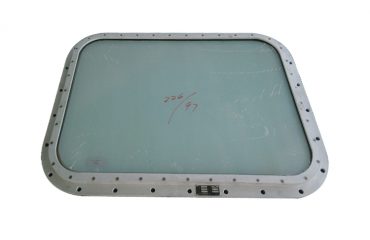


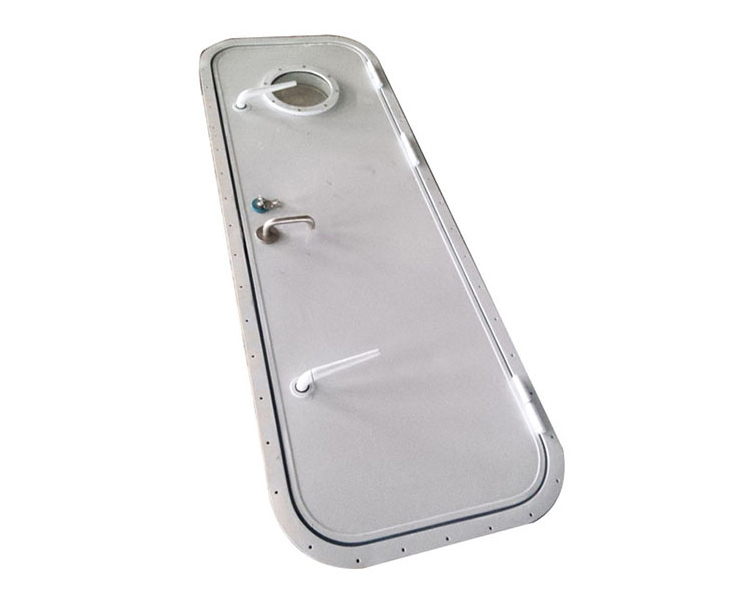
Ship doors are more than just entry and exit points on marine vessels—they are critical components that ensure safety, structural integrity, and operational efficiency across all types of ships, from small cargo boats to large ocean liners and offshore platforms.
Designed to withstand the harsh marine environment, including saltwater corrosion, extreme temperatures, high pressure, and heavy impacts, ship doors must meet strict international standards to protect crew, cargo, and the vessel itself. Every aspect of their design, from material selection to manufacturing processes, is tailored to address the unique challenges of life at sea, ensuring they perform reliably in emergency situations and during long-term daily use. Behind the robust performance of these essential marine components lies a commitment to precision engineering and quality craftsmanship, with dedicated expertise in optimizing every detail to meet the diverse needs of the marine industry, alongside comprehensive support to ensure proper installation and long-term functionality.
The primary role of ship doors is to enhance marine safety, particularly in emergency scenarios such as flooding, fires, or collisions. Watertight and weathertight ship doors are designed to prevent water ingress into different compartments of the vessel, a critical feature that helps maintain buoyancy and prevent sinking. These doors are engineered to seal tightly against door frames, using high-quality gaskets made from durable materials that resist degradation from saltwater and chemical exposure. Fire doors, another essential type, are constructed to contain fires and smoke within specific compartments, giving crew members more time to evacuate and minimizing damage to the vessel. Beyond safety, ship doors also contribute to operational functionality: they separate different areas of the ship, such as living quarters, cargo holds, engine rooms, and navigation decks, creating distinct zones for comfort, storage, and machinery operation. This separation helps reduce noise pollution in living areas, protects sensitive equipment from dust and moisture, and ensures efficient workflow for crew members.
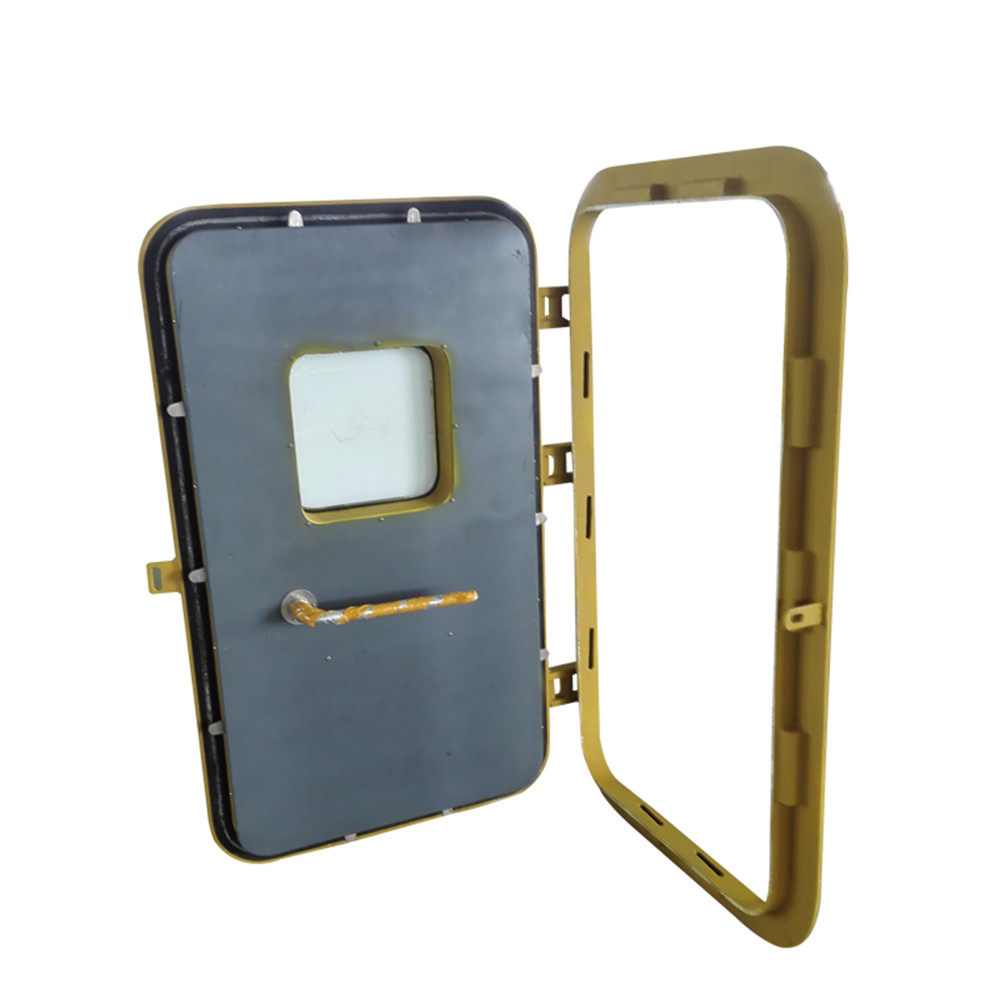
The design and manufacturing of ship doors are governed by strict international regulations, including standards set by the International Maritime Organization (IMO) and classification societies such as Lloyd’s Register and DNV. These standards dictate key specifications such as material strength, fire resistance, water tightness, and structural compatibility with the vessel’s design. Material selection is a critical aspect of ship door manufacturing: common materials include marine-grade steel, aluminum, and fiberglass, each chosen for its specific properties. Marine-grade steel is preferred for its high strength and durability, making it ideal for watertight and weathertight doors on large cargo ships and tankers. Aluminum is lighter, making it suitable for doors on smaller vessels and areas where weight reduction is a priority, while fiberglass offers excellent corrosion resistance and is often used in offshore applications. The manufacturing process involves precision cutting, welding, and finishing, followed by rigorous testing to ensure compliance with standards—including pressure tests for watertight doors and fire resistance tests for fire doors.
Proper maintenance of ship doors is essential to ensure their long-term performance and compliance with safety standards. The marine environment is highly corrosive, so regular inspections and maintenance are required to prevent rust, gasket degradation, and mechanical failure. Routine tasks include cleaning door surfaces and frames to remove salt deposits, inspecting gaskets for cracks or wear and replacing them when necessary, lubricating hinges and operating mechanisms to ensure smooth movement, and testing watertight and fire doors regularly to verify their functionality.