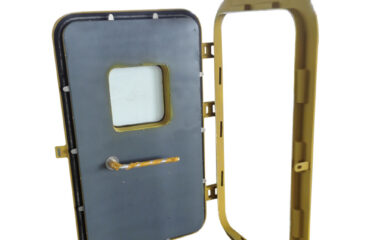


Marine fireproof windows are vital safety components for all types of seafaring vessels, designed to withstand fire and smoke spread in the confined, high-risk environment of ships. Unlike land-based fireproof windows, they must meet stringent maritime standards to cope with unique challenges such as saltwater corrosion, vibration, and extreme weather, while fulfilling core fire protection functions. Their role in compartmentalizing fire zones is critical for safeguarding crew members, passengers, and valuable onboard equipment.
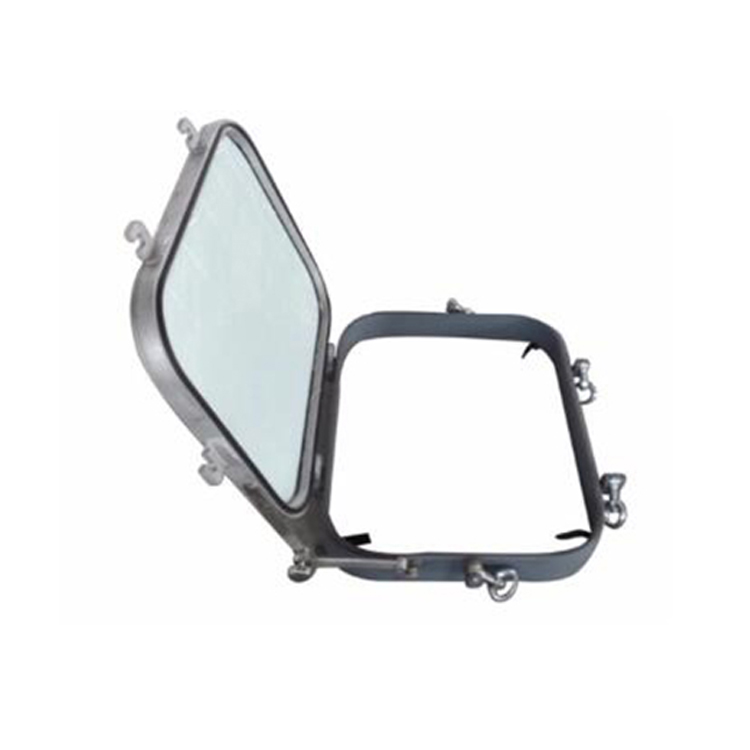
The construction of marine fireproof windows is tailored to maritime conditions. They typically feature fire-resistant glass—often multi-layered with intumescent materials that expand under high temperatures to form a heat-insulating barrier—paired with corrosion-resistant frames. Common frame materials include marine-grade stainless steel or aluminum alloys, which resist saltwater erosion and maintain structural integrity in harsh marine environments. The glass is also engineered to withstand impact, a key requirement given the potential for rough seas and equipment movement.
Maritime fire safety standards, such as those set by the International Maritime Organization (IMO), dictate the performance of marine fireproof windows. These standards specify fire ratings, usually ranging from 30 to 60 minutes, indicating how long the window can resist flames, smoke, and toxic gases without losing integrity. Windows installed in critical areas, such as engine rooms, cargo holds, or passenger cabin partitions, often require higher ratings to ensure sufficient time for evacuation and fire containment.
Beyond fire resistance, marine fireproof windows must address other onboard needs. Many are designed to be watertight and weatherproof, preventing water ingress during heavy seas or storms. They also offer thermal insulation, helping to regulate temperatures in different compartments and reduce energy consumption for heating or cooling. Some models integrate anti-glare coatings to improve visibility for crew members, especially in areas with constant exposure to sunlight or harsh lighting.
Installation locations of marine fireproof windows are strategic, based on vessel design and fire risk assessment. Engine rooms, which are prime fire risk areas due to fuel and electrical systems, are equipped with high-rated fireproof windows to separate them from crew quarters and navigation areas. Passenger ships feature these windows in cabin partitions, stairwells, and escape routes to protect passengers during emergencies. Cargo vessels use them to separate cargo holds from control rooms, minimizing fire spread between compartments.
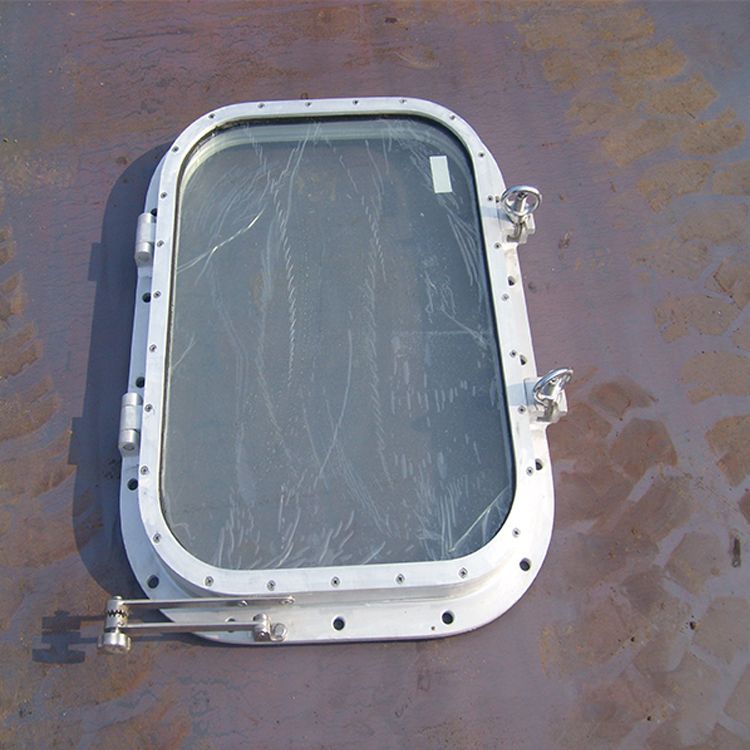
When selecting marine fireproof windows, compliance with IMO standards and classification society requirements is non-negotiable. Vessel operators must consider factors such as the window’s fire rating, corrosion resistance, impact strength, and compatibility with the vessel’s overall design. Regular maintenance is also essential—inspections for signs of corrosion, seal degradation, or glass damage help ensure the windows perform as intended when needed, extending their lifespan and reliability.