

In the vast and complex marine environment, the safety, functionality, and environmental adaptability of ships as independent mobile spaces and work platforms are crucial. As a key passage and barrier that runs through various areas of the ship, divides different compartments, and communicates internal and external spaces, the design and performance of ship doors directly affect the overall safety, operational efficiency, and life support of crew and passengers. From tens of thousands of tons of ships to small workboats, from military vessels to civilian passenger ships, every hatch carries multiple missions: it is not only a passage, but also the structural core of water tightness, air tightness, fire prevention, explosion prevention, heat insulation, and sound insulation. It is an important defense line for ships to maintain integrity and functionality in harsh sea conditions and potential risks. Therefore, a deep understanding of the classification, design standards, technical requirements, and maintenance management of ship cabin doors is the foundation for ensuring the safe and reliable operation of ships.
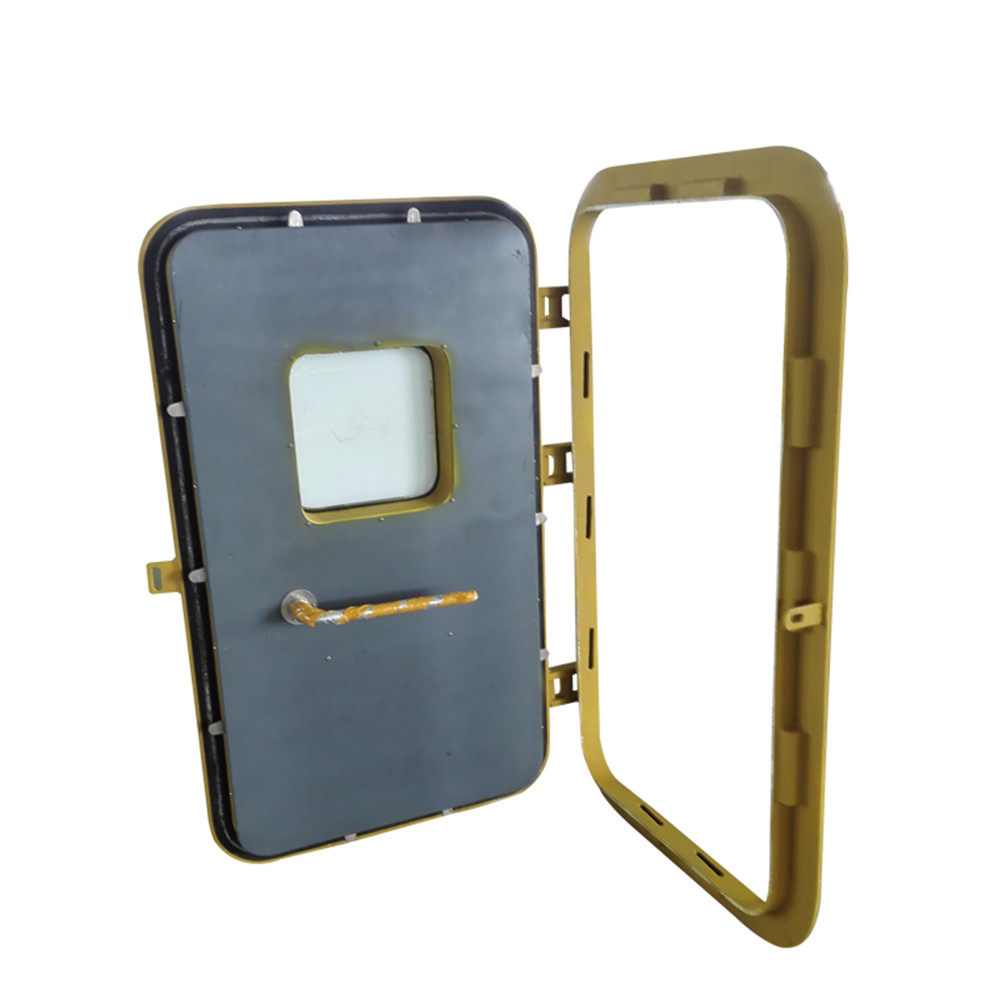
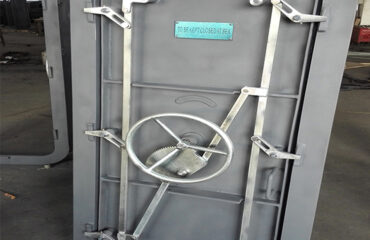
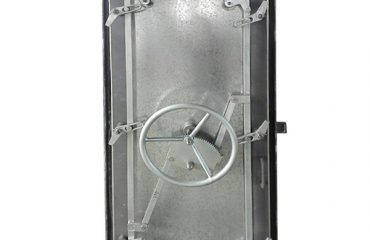
There are various classification methods for marine doors, which can be divided according to different dimensions such as functional use, production materials, and opening methods. Each type of marine door has its unique design characteristics and applicable scenarios. From the perspective of functional use, marine doors can be mainly divided into two categories: airtight doors and non airtight doors, among which airtight doors are the most widely used and crucial. Watertight doors are mainly used to prevent water from spreading between compartments when a ship is damaged and flooded, ensuring the buoyancy and stability of the ship. They are usually installed at compartments below the waterline of the ship, and their sealing performance needs to be verified through strict water pressure testing. Weathertight doors are mainly used to resist the invasion of wind, rain, and waves, prevent seawater and rainwater from entering the cabin interior, protect the safety of equipment and personnel inside the cabin, and are often installed in exposed areas such as ship decks and superstructures. They are suitable for various types of vessels such as cargo ships, oil tankers, yachts, and military vessels.
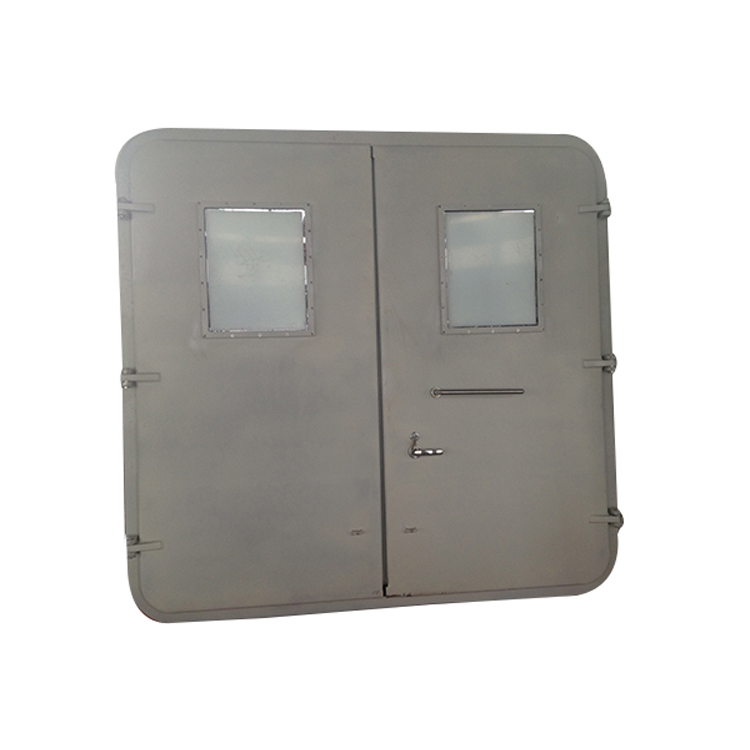
The design and manufacturing of ship cabin doors is not just the production of ordinary mechanical products, but a systematic engineering that strictly follows international maritime regulations, classification society rules, and overall requirements for ship design.The primary consideration in design is the structural strength and sealing performance. The door leaf and frame must be made of materials with sufficient rigidity and corrosion resistance, such as high-quality carbon steel, stainless steel, or aluminum alloy, and undergo special anti-corrosion treatment. Sealing components, usually rubber sealing strips, are the core of ensuring water tightness, air tightness, or fire resistance. Their materials must be resistant to aging, seawater, oil, high and low temperatures, and able to maintain elasticity for a long time. The machining accuracy of the mating surface between the door leaf and door frame is extremely high, ensuring that the pressure is evenly distributed on the sealing strip when closing, forming an effective seal.
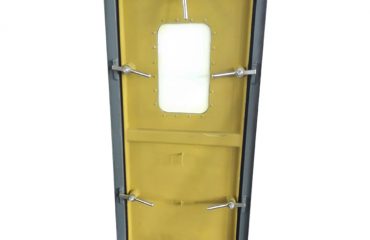
From the perspective of production materials, the selection of materials for marine doors needs to fully consider the corrosiveness and strength requirements of the marine environment. Common materials include steel, stainless steel, aluminum, fiberglass, and wood. Marine doors made of steel and stainless steel have high strength and excellent corrosion resistance, and can withstand large water pressure and external impact. They are the most widely used materials in various types of ships, especially suitable for the production of water tight doors and fire doors. Aluminum material for marine doors is lightweight, has good thermal conductivity, and has a certain degree of corrosion resistance. It is commonly used in small ships, yachts, and areas with strict weight requirements. Marine doors made of fiberglass material have the characteristics of corrosion resistance, good insulation, and flexible design, making them suitable for cabins in some special environments.
In summary, ship cabin doors are a precise link in ship engineering that integrates safety, functionality, and regulatory compliance. It may seem ordinary, but it is an indispensable component of the concept of a ship’s “fortress at sea”. From the initial blueprint design, strict material selection, precise manufacturing and assembly, to the repeated correct use, meticulous maintenance, and regular inspection throughout the ship’s lifecycle, every step embodies a profound understanding of the complexity of the marine environment and navigation risks.