

Ship doors are critical components of marine vessels, serving multiple purposes from ensuring crew and cargo safety to maintaining operational efficiency. Designed to withstand harsh marine environments—including saltwater corrosion, extreme weather, and high pressure—they play a vital role in protecting the vessel’s integrity and the people on board. This article explores the key types of ship doors, their core functions, essential design considerations, and maintenance practices, offering a comprehensive overview for marine enthusiasts and industry professionals alike.
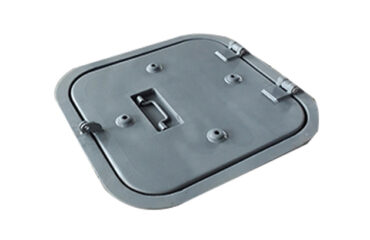
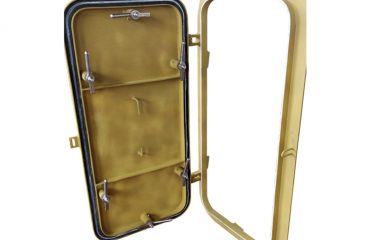
Ship doors come in various types, each tailored to specific locations and purposes on a vessel. Watertight doors are among the most crucial, installed in compartments below the waterline to prevent flooding in case of hull damage. These doors are designed to seal tightly, often operated manually or hydraulically, and must meet strict international safety standards. Weathertight doors, by contrast, are used above the waterline to protect decks and interior spaces from rain, waves, and spray. They are commonly found on deck hatches, cabins, and access points, featuring robust seals to keep water out.
Other common types include fire doors, which are constructed to resist fire and smoke spread, safeguarding crew and critical equipment during emergencies. Sliding doors are widely used for interior compartments and cargo holds due to their space-saving design, while hinged doors are preferred for cabins and small access points for ease of use. Additionally, cargo doors—available in rolling, folding, or hinged designs—are engineered to handle heavy loads and facilitate efficient loading and unloading of goods, adapting to different cargo types and vessel configurations.
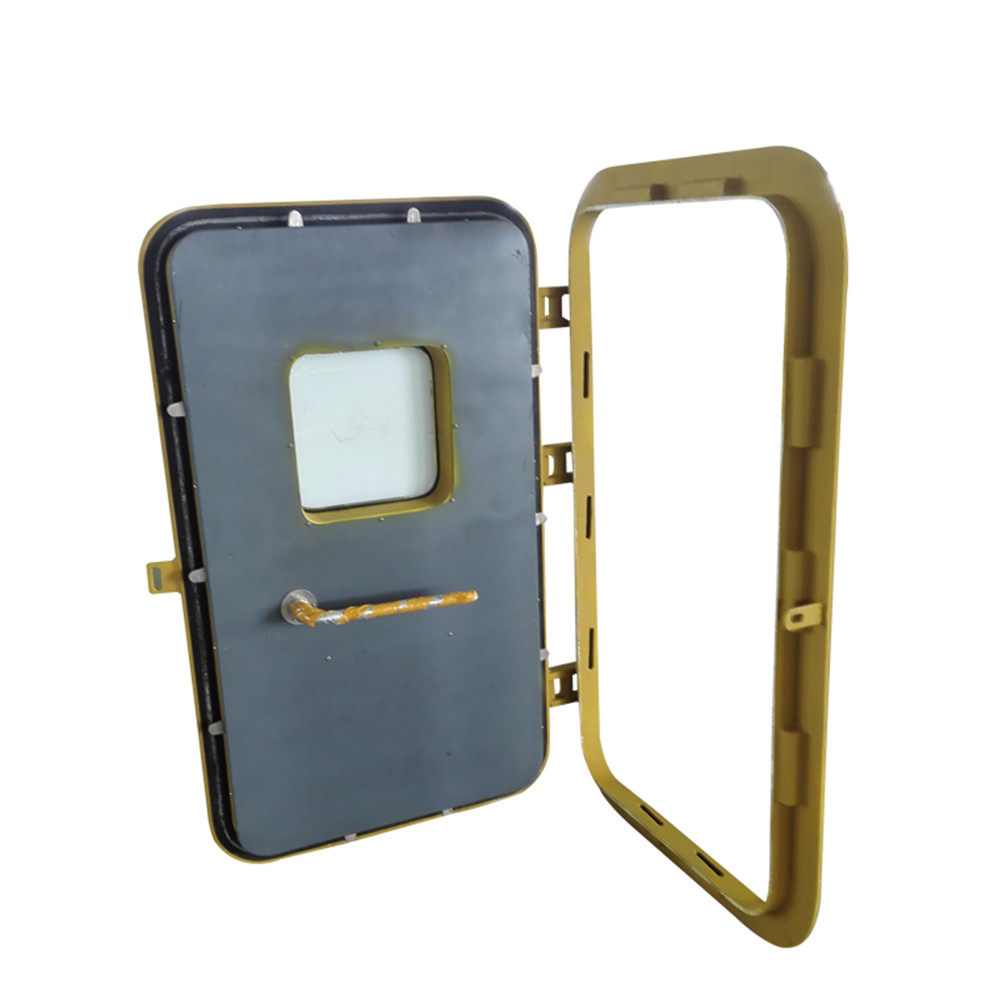
The design of ship doors is heavily influenced by the vessel’s size, purpose, and operating environment. Corrosion resistance is a top priority, with materials such as stainless steel, aluminum, or galvanized steel commonly used to withstand saltwater exposure. Sealing systems are another key design element; watertight and weathertight doors use rubber or synthetic seals that maintain flexibility and integrity over time. For high-pressure areas, such as deep-sea vessels or submersibles, doors are reinforced with heavy-duty frames and locking mechanisms to withstand extreme pressure differentials.
Safety standards govern every aspect of ship door design and installation, with international bodies setting guidelines to ensure uniformity and reliability. Compliance with these standards—including regular inspections and testing—is mandatory for all commercial vessels. Watertight doors, for example, must undergo pressure tests to verify their sealing capability, while fire doors are tested for fire resistance duration. These standards also dictate operational requirements, such as ensuring watertight doors can be closed quickly in emergencies, either manually or remotely.
Proper maintenance is essential to extend the lifespan of ship doors and ensure their functionality. Regular inspections should check for signs of corrosion, seal damage, or mechanical wear in hinges and locking mechanisms. Cleaning with corrosion-inhibiting solutions helps prevent salt buildup, while lubrication of moving parts ensures smooth operation. Damaged seals or components must be replaced promptly, as even minor defects can compromise the door’s performance, leading to water ingress or safety risks.