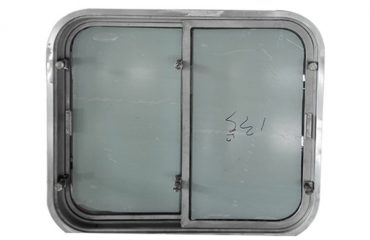


Ship ladders are specialized access tools engineered for the unique challenges of ship (vessel) environments—where space is limited, motion is constant, and exposure to saltwater and extreme weather is unavoidable. Unlike standard industrial ladders, they prioritize stability, corrosion resistance, and compliance with maritime safety rules to protect crew members, maintenance teams, and passengers during climbs between decks, into cargo holds, or onto ship structures. Exploring their tailored designs, material innovations, and use-case specificity reveals why they are a non-negotiable component of safe ship operations.
A defining feature of ship ladders is their space-efficient, motion-adapted structure. Unlike vertical land-based ladders, many ship ladders have a “stair-like incline” (typically 50–70 degrees) instead of a 90-degree vertical angle—this reduces the risk of falling when the ship rocks in rough seas, as users can maintain better balance with each step. For tight spaces like engine rooms or narrow passageways, “foldable ship ladders” are common: they collapse against walls when not in use, freeing up critical floor space that would otherwise be occupied by a fixed ladder. Some ladders also include “anti-sway cages” around the climbing path—these metal enclosures prevent users from being thrown off balance by sudden ship movements, a feature especially important for ladders leading to high decks or open-air platforms.
Material selection for ship ladders is driven by the need to resist harsh maritime conditions, with durability and low maintenance as top priorities. The most common materials include 316 stainless steel, which contains molybdenum to withstand saltwater corrosion better than standard 304 stainless steel—ideal for ladders exposed to deck spray or direct seawater contact. For areas where weight is a concern (like small boats or offshore patrol vessels), aluminum alloy ladders are preferred: they are lightweight yet strong, and their natural oxide layer provides basic corrosion resistance (often enhanced with a protective coating). Fiberglass-reinforced plastic (FRP) ladders are another option, especially in areas near electrical equipment—they are non-conductive, eliminating the risk of electric shock if the ladder comes into contact with live wires, a critical safety feature in engine rooms or control centers.
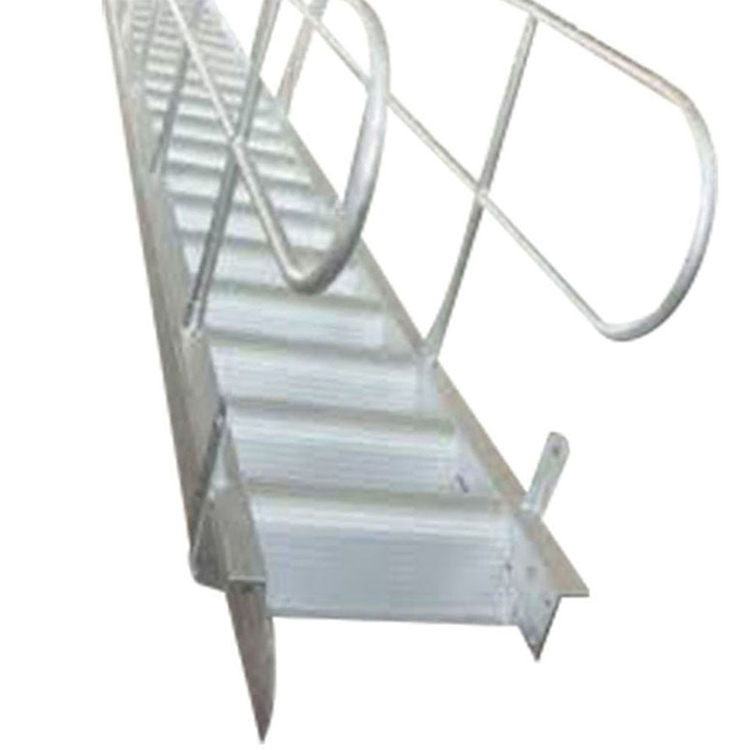
Compliance with international and regional safety standards is mandatory for ship ladders, ensuring consistency in design and performance across global maritime operations. The International Maritime Organization (IMO) sets baseline requirements, such as specifying that ladder rungs must have a minimum width of 180mm and a non-slip surface (often achieved with rubber coatings or textured metal). The American Bureau of Shipping (ABS) and Lloyd’s Register (LR) also issue certifications, requiring ladders to undergo load testing (typically 1.5 times their maximum rated weight) to confirm structural integrity. Additionally, many countries have local regulations—for example, the U.S. Coast Guard mandates that ship ladders on commercial vessels have handrails on both sides for ladders longer than 2 meters, providing extra support during climbs.